March is a transition month on Morocco's Atlantic coast. Winter swell has not simply switched off, yet the calendar is moving toward spring. That mix can give confident surfers worthwhile waves and beginners useful learning days—but it cannot guarantee either one on your dates.
The practical advantage of surfing Morocco in March is choice. Around Tamraght and Taghazout, beaches, reefs and points face the Atlantic differently. When one break is too exposed, too crowded or simply wrong for the group, a mobile surf camp can check another option.
This guide explains who March suits, how coaches choose the day's spot, what to wear, what Ramadan may change and what a seven-night Nomad week currently includes.
Is March a good month for surfing in Morocco?
Yes, for travellers who want the possibility of winter-style swell with a little more spring daylight—and who accept that a monthly label is not a forecast. The Moroccan National Tourism Office describes October to late March as the more consistent winter-swell period. It also says beginners can surf throughout the year, while more experienced surfers generally find their best waves between October and April.
That does not mean every March day is large, clean or suitable for every level. Swell direction and period, wind, tide, local sandbanks and crowd levels all affect the real session. Two nearby beaches can behave very differently on the same morning.
Use the month to choose the kind of trip you want, then let the daily conditions choose the beach. For official destination context, see the Moroccan tourism board-sports guide.
Who does a March surf trip suit?
Complete beginners
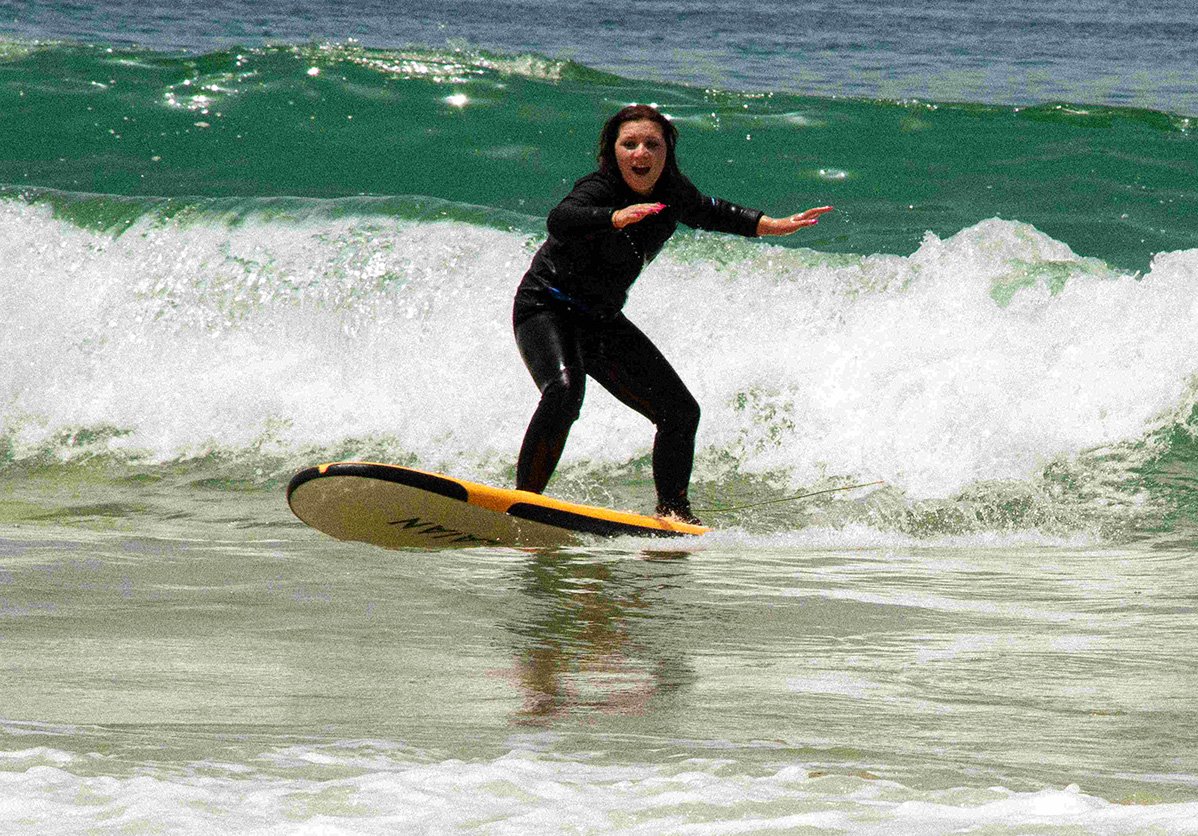
A first-time surfer can come in March, but the famous point breaks are not the goal. Your coach should look for manageable white water, a suitable entry, enough space and a board that helps you learn control. On a stronger swell, that may mean a sheltered beach rather than the break you saw online.
A good beginner day depends more on spot selection and coaching than on the month printed on the booking. Be honest about your swimming confidence, injuries and previous experience so the team can place you correctly.
Improving beginners and intermediates
March can suit surfers who catch broken waves independently and are starting to work on unbroken waves, trimming or more accurate positioning. The useful question is not how many lessons you have taken. It is what you can do without a push: paddle, control the board, choose a safe take-off area and follow priority rules.
Expect the technical focus to change with the ocean. One session may be about timing and wave choice on a friendly beach; another may be about cleaner take-offs or holding a line when a suitable unbroken wave appears.
Confident intermediate and advanced surfers
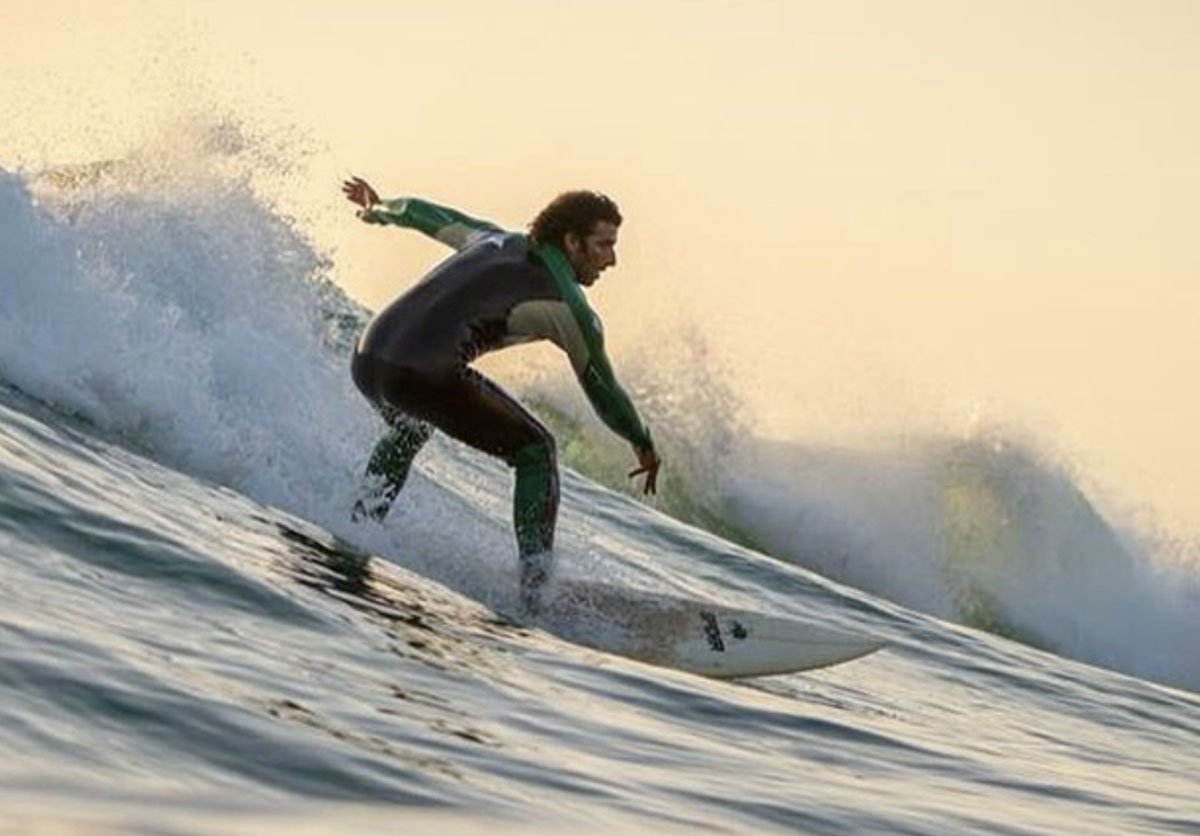
More experienced surfers choose March because winter swell can still reach the coast. Points and reefs may work when swell, wind and tide align, but no named break is guaranteed. Rocky entries, current, long paddles and busy take-off zones can make local guidance valuable even for a capable surfer.
Describe your actual ability when you enquire: the wave size you handle, whether you paddle out independently and the kinds of breaks you know. That helps the team distinguish a comfortable intermediate from someone who needs a less demanding session.
March is a transition, not a wave promise
It is tempting to call March a perfect compromise between winter power and spring ease. The honest version is less tidy. A week can contain a stronger swell, smaller days, wind changes and sessions that work best at different tides.
This variability is why a fixed seven-day list of surf spots is not useful. Nomad's Taghazout-area surf directory covers 15 breaks within an hour of the camp, from beginner beach breaks to advanced reefs and points. The labels help you understand the coast, but the final decision still belongs to the conditions visible that day.
A sensible morning process looks like this:
- check swell size, direction and period;
- compare wind and tide across several breaks;
- match the spot to the least experienced surfer in each coaching group;
- confirm the entry, exit, crowd and teaching space from shore;
- change the plan if the real ocean does not match the forecast.
For a broader seasonal comparison, read Nomad's month-by-month Morocco surf guide.
What should you wear in the water in March?
Do not mistake a warm rooftop afternoon for warm water. The Atlantic changes temperature more slowly than the air, and wind after a session can make you feel cold quickly. Plan on a well-fitting full wetsuit. If you get cold easily or like long sessions, ask for a warmer option.
Fit matters as much as the number printed on the sleeve. A loose suit that flushes water will feel colder than a snug suit that allows free shoulder movement. Nomad's weekly packages include wetsuits, so send your approximate height and size before arrival if fit is a concern.
Our Morocco wetsuit guide explains the seasonal trade-offs in more detail. Bring your own suit only if you prefer a known fit; beginners do not need to buy one for a coached week.
What to pack for Morocco in March
March packing is about layers and quick recovery after the water:
- Two swimsuits or pairs of boardshorts: one can dry while you use the other.
- A hoodie or fleece: useful for early surf checks and evenings.
- A light wind or rain layer: coastal weather can change during the week.
- High-SPF sunscreen and lip balm: spring sun still reflects strongly off the water.
- Secure footwear: trainers or sandals with grip help on uneven access paths.
- A reusable water bottle: easy to carry in the surf van.
- Surf-aware travel insurance: confirm that recreational surfing and medical treatment are covered.
- A small day bag: keep a dry layer, water and sun protection together.
You do not need to fly with a board for a coached Nomad package because the board and wetsuit are included. For the rest of your luggage, use our full Morocco surf-trip packing list.
Can Ramadan affect a March surf trip?
It can, depending on the year. Ramadan follows a lunar calendar, so its dates move earlier through the solar calendar and may overlap some or all of March. Surfing continues, but the rhythm on land can change.
Some independent cafés and shops may adjust daytime hours, traffic can become busier before sunset, and evenings become more social after the fast ends. At a hosted camp, ask how meals, transport and activities will work for your exact week rather than relying on an old calendar.
Visitors are not expected to fast, but modest, considerate behaviour matters. Avoid making a performance of eating or drinking beside someone who is fasting, and be patient when people are tired late in the day. Read our practical guide to surfing Morocco during Ramadan and check the dates for your travel year.
What a March week at Nomad includes
Nomad's current seven-night packages include accommodation, transfers to and from Agadir Airport, six surf days, boards and wetsuits, plus breakfast and dinner on six days. Activities beyond surfing depend on the package you choose, so check the live details rather than assuming every package is identical.
The important March benefit is mobility. The coach checks conditions, chooses a spot for the group's level and drives the group there. That removes the need for a beginner to rent a car, interpret several forecasts and guess which beach is suitable.
Lunch is separate, leaving guests free to eat near the day's surf location. The schedule also includes a rest day, which is useful after repeated paddling and pop-ups. Compare the current options on the Nomad surf-package page.
March compared with winter and spring
Choose January or February if your main priority is the heart of the winter-swell window and you are comfortable with cooler, potentially more powerful conditions. Beginners can still learn, but sheltered-spot selection becomes especially important.
Choose March if you want a transition month: winter swell remains possible, the days are longer than in midwinter and a mixed-level group can benefit from access to several types of break. You still need a full wetsuit and a flexible plan.
Consider April or later if your priority is moving farther into spring rather than maximizing the chance of winter-style swell. No month is automatically easy, warm or uncrowded, so choose by your ability and preferred experience rather than a slogan.
Frequently asked questions
Can beginners surf Morocco in March?
Yes. A beginner needs suitable white water, space, the right board and a coach who changes spots when conditions demand it. March itself does not make every beach beginner friendly.
Are March waves guaranteed?
No. March overlaps the later part of Morocco's more consistent winter-swell period, but no one can guarantee wave size, clean conditions or a particular break for a future week.
Do I need a 3/2 or 4/3 wetsuit?
Cold tolerance, suit fit, wind and session length all matter. Plan on a full suit and ask for a warmer option if you get cold easily. Nomad packages include wetsuits, so you can confirm sizing before arrival.
Do I need to rent a car?
Not for a coached Nomad package. Agadir Airport transfers and daily surf transport are included. Independent surfers may value a car, but unfamiliar access, parking and board security add decisions.
How do I book a March week?
Send a booking request or contact the team with your dates, guest count, room preference and surf level. The team checks availability and confirms the booking; the current flow does not require online payment for the request, and the stay is paid in cash in EUR or MAD at check-in.
Plan your March surf week in Tamraght
March works best when you treat it as a flexible surf trip, not a promise of one famous wave. Bring layers, describe your ability honestly and let the morning conditions decide where you surf.
Compare Nomad's surf packages or contact the team with your March dates. We will help you choose the right package and confirm what is available.