Anchor Point sieht gerade aus wie ein Swimmingpool
Ich bin gestern Morgen am Anchor Point rausgepaddelt. Habe vierzig Minuten gewartet. Nichts erwischt — es gab einfach nichts zu holen. Ein Typ aus Bristol neben mir — sein erster Trip nach Morocco, im Januar gebucht aufgrund eines YouTube-Videos, auf dem Anchor Point im Dezember völlig abging — starrte ununterbrochen den Horizont an, als hätte dieser ihm persönlich Unrecht getan.
Das ist der Juli in Taghazout. Wenn du in den nächsten Wochen hierher fliegst und die Postkarten-Rechtswellen erwartest, die du auf Instagram gesehen hast, müssen wir uns mal unterhalten.
Lohnt sich der Flug zum Surfen nach Taghazout im Juli überhaupt?
Kurze Antwort: Ja, wenn du früh aufstehst und weißt, wo du suchen musst. Nein, wenn du kopfhohe Pointbreaks und Ausschlafen erwartest.
Der Atlantik im Juli ist nicht tot — er ist nur launisch und klein. Du bekommst hüft- bis schulterhohe Tage an den Beachbreaks, ab und zu ein brusthohes Set an den Riffen und ein zweistündiges Zeitfenster im Morgengrauen, bevor der Wind die ganze Küste in eine Waschmaschine verwandelt. Wenn du deine Erwartungen anpasst und deinen Zeitplan umstellst, gibt es hier wirklich spaßige Wellen. Um 10 Uhr morgens verkatert aufkreuzen und Killer Point erwarten? Dann wirst du eine Woche lang nur Tajine essen und dir einreden, dass es bei dem Trip „um die Kultur“ ging.
Warum Anchor Point und Killer Point bis Oktober praktisch geschlossen sind
Die berühmten Pointbreaks in Taghazout — Anchor Point, Killer Point, Boilers — brauchen einen ordentlichen Nordatlantik-Grundswell, um zu laufen. Das bedeutet Tiefdruckgebiete, die von Island herabziehen, was eher von September bis April der Fall ist. Im Juli machen diese Stürme woanders Urlaub, und der Swell, der uns erreicht, ist kurzperiodisch, klein und kommt oft aus dem falschen Winkel.
Anchor Point braucht außerdem ein bestimmtes Gezeitenfenster, um zu funktionieren. Selbst wenn es im Sommer einen Hauch von Swell gibt, liegt das Riff flach da, während sich alle auf den Klippen darüber streiten, ob es gleich „anspringt“. Tut es nicht. Ich habe mir diesen Film seit Jahren jeden Juli angeschaut.
Bei Killer Point ist es dieselbe Geschichte, nur mit schlechteren Trostpreisen. Wenn du fest mit diesen Spots gerechnet hast, lass dein Ego zu Hause und lies weiter.
Wo die Wellen im Juli tatsächlich sind
Die gute Nachricht: Die Beachbreaks und die kleineren Riffe erwachen im Sommer zum Leben. Hier ist, was diese Woche funktioniert hat:
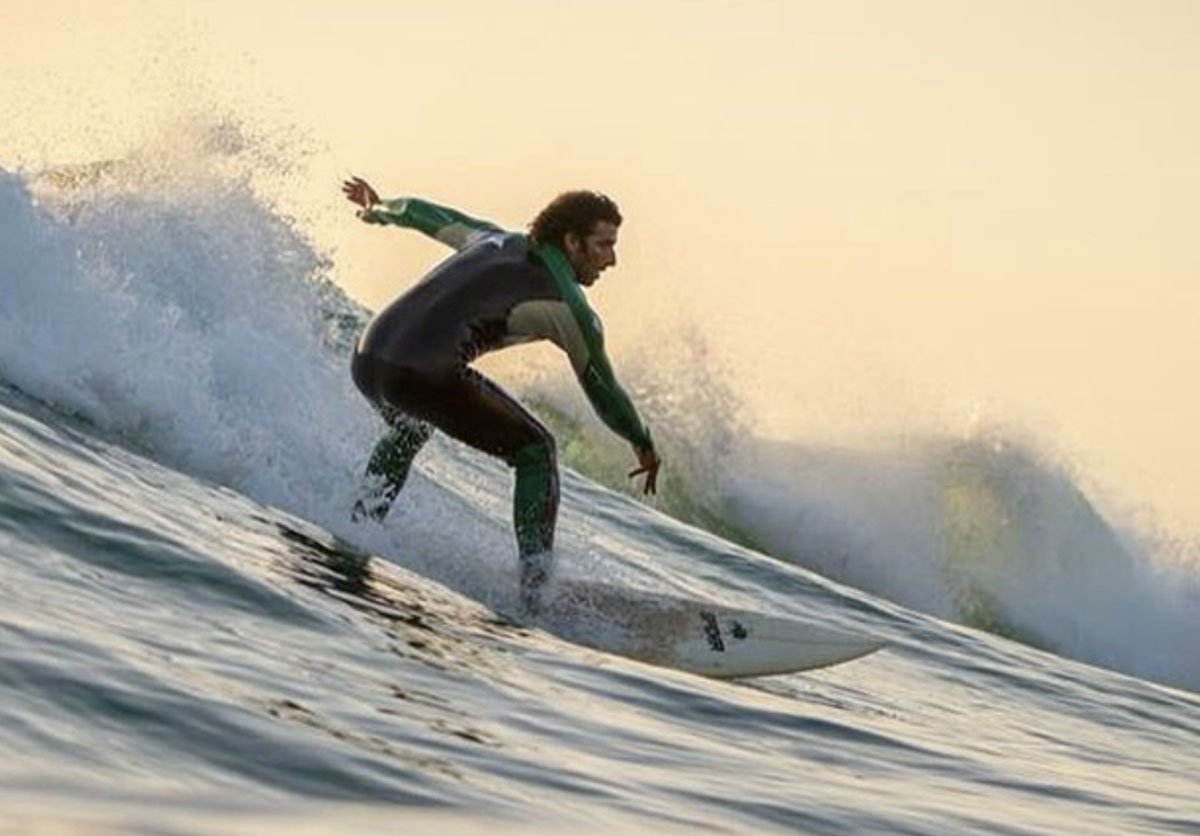
- Panoramas — Unser Standard-Sommerspot. Sandbank-Peaks, spaßige kleine Wände, funktioniert bei fast jeder Gezeit, solange der Wind noch nicht da ist. Brusthoch in den Sets am Dienstagmorgen. Ab 8 Uhr morgens voll, aber so läuft das eben.
- Devil's Rock (Aourir) — Zehn Minuten südlich, eine kleine Rechte, die Sommer-Südschwell liebt. Viel weniger los als bei Panoramas, weil die Fahrt die Leute abschreckt. Lohnt sich.
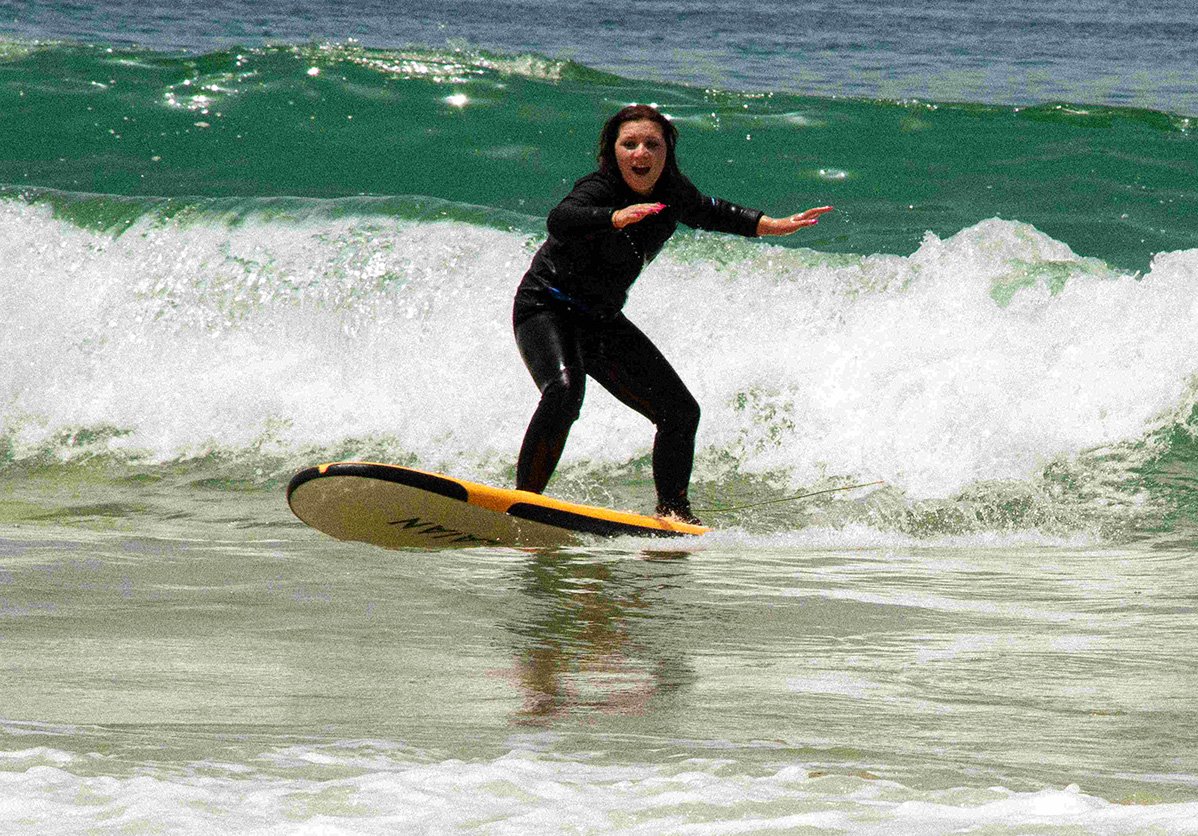
- Banana Beach — Ein Paradies für Anfänger und Intermediates im Sommer. Lang, fehlerverzeihend, sandiger Untergrund. Wenn du Surfkurse machst oder auf dem Shortboard versuchst, dich daran zu erinnern, wie sich ein guter Tag anfühlt, ist das deine Base.
- Imourane — Ein Beachbreak unter dem Radar nördlich von Taghazout. Bekommt mehr Swell ab, als die Leute denken, und bleibt ruhiger als Panoramas.
Fällt dir auf, was nicht auf dieser Liste steht: Keiner der berühmten Pointbreaks. Das liegt nicht daran, dass ich faul bin — das ist einfach der Juli.
Dawn Patrol in Taghazout ist Pflicht
Ich sage das noch mal ganz deutlich für alle, die Flüge für August buchen: Wenn du bis 7 Uhr morgens nicht im Wasser bist, surfst du hier im Sommer nicht wirklich.
Das Windmuster ist gnadenlos und zuverlässig. Spiegelglattes Wasser im Morgengrauen, leichter Offshore-Wind oder gar kein Wind bis etwa 10:30 Uhr. Gegen 11 Uhr setzt der Onshore-Alizée aus dem Norden ein und verwandelt bis zum Sonnenuntergang alles in eine kabbelige Suppe. Gelegentlich gibt es abends eine lohnende Session, wenn der Wind gegen 19 Uhr nachlässt, aber darauf verlassen kann man sich nicht.
Der Sommerrhythmus sieht also so aus:
- Wecker um 5:45 Uhr.
- Msemen und ein Kaffee aus der kleinen Bude an der Ecke (oder wenn du bei uns wohnst: Das Frühstück steht bereit, bevor du losziehst).
- Um 6:45 Uhr im Wasser.
- Um 10 Uhr wieder raus, wenn der Wind zunimmt.
- Mittagsschlaf machen, essen, durch Tamraght schlendern, Minztee trinken, über die Hitze jammern.
- Abendlicher Surf-Check gegen 18 Uhr, manchmal wird man belohnt.
Wenn deine Vorstellung von einem Surfurlaub darin besteht, um 9:30 Uhr aus dem Bett zu rollen und um 11 Uhr rauszupaddeln — wirst du den Sommer hier hassen. Flieg nach Bali. Oder komm im Oktober.
Wie sich der Sommer in Tamraght tatsächlich anfühlt
Hier ist der Teil, den dir die Broschüren verschweigen: Der Juli ist bei uns aus einem ganz anderen Grund Hauptsaison. Dann reisen die marokkanischen und französisch-marokkanischen Familien an, die Strände in Aourir und im Dorf Taghazout füllen sich mit Kindern und Großmüttern in voller Kleidung im Wasser, und die ganze Küste versprüht eine echte Urlaubsstimmung, die ehrlich gesagt eines meiner absoluten Highlights hier ist.
Die Temperaturen sind erträglich — meistens Mitte 20 Grad, abgekühlt durch genau jenen Onshore-Wind, der den Surf ruiniert. Das Wasser hat um die 20°C, ein Shorty oder 3/2er reicht also für die Dawn Patrol, nachmittags gehen Boardshorts.
Die Abende sind das Beste. Die Sonne geht erst gegen 20 Uhr unter, alle essen spät, und Tamraghts kleine Ansammlung von Cafés und Saftbars hat bis Mitternacht geöffnet. Gegrillte Sardinen im Hafen von Taghazout für €4. Eine Tajine bei Chez Bebe. Dieser namenlose Harira-Suppenladen neben dem Taxistand. Das ist die Zeit, in der der Ort wirklich lebendig ist.
Wenn du im Juli rein zum Surfen kommst, wirst du enttäuscht sein. Wenn du wegen des Gesamtpakets kommst — dem Vibe, dem Essen, den langen Abenden, den schulterhohen Sessions im Morgengrauen — wirst du abreisen und bereits den nächsten Sommer planen.
Solltest du stattdessen für August buchen? Ganz ehrlich?
Der August ist schlechter zum Surfen, aber besser für die Atmosphäre. Der Wind ist derselbe, die Swells wenn überhaupt ein Stück kleiner und die Massen verdoppeln sich. Wenn du ein ambitionierter Surfer bist und deine Daten flexibel gestalten kannst, ist der September der perfekte Zeitpunkt — die Sommerhitze lässt langsam nach, die ersten richtigen Herbst-Swells treffen Mitte des Monats ein und die Touristenmassen lichten sich.
Wenn du deine Termine nicht verschieben kannst, keine Panik. Komm im Juli, stell dich auf den Dawn-Patrol-Lifestyle ein und mach dir bewusst, dass du eine ganz bestimmte Version von Morocco erlebst — kleinere Wellen, heißere Tage, ein sehr lokaler Sommer-Vibe — statt des winterlichen Surf-Camp-Traums. Beides ist real. Beides lohnt sich. Verwechsle es nur nicht miteinander.
Was du für einen Trip im Juli tatsächlich einpacken solltest
- Einen Shorty oder 3/2er für die Sessions im Morgengrauen. Boardshorts für die Zeit nach 8 Uhr.
- Ein Shortboard und etwas mit mehr Volumen — ein Fish, ein Mid-Length oder was auch immer kleine Sommerwellen verzeiht. Bring nicht nur dein 5'10"-Thruster mit.
- Riffschuhe, falls du Devil's oder die kleineren Riffe ausprobieren willst.
- Einen echten Wecker — oder die Disziplin, dein Handy dafür zu nutzen.
- Sonnencreme, die nicht nach zwanzig Minuten verläuft — die Sonne ist stärker als du denkst, und der Wind kaschiert, wie schnell man sich verbrennt.
FAQ
Ist der Juli ein guter Monat zum Surfen in Morocco, wenn ich absoluter Anfänger bin?
Ja, tatsächlich — es ist wohl die beste Zeit für absolute Anfänger. Die Beachbreaks an den Spots Banana und Panoramas sind klein, haben sandigen Untergrund und sind fehlerverzeihend. Die Winterwellen an diesen Spots können für die erste Surfstunde zu groß sein. Du musst dich nur mit dem Aufstehen um 6 Uhr morgens abfinden.
Läuft Anchor Point im Sommer überhaupt mal?
Selten. Vielleicht ein- oder zweimal im Juli und August, wenn ein außergewöhnlicher Swell reinkommt, meistens klein und kurzlebig. Plane deinen Trip nicht darauf aufbauend. Wenn du unbedingt Anchor Point surfen willst, buche für November bis März.
Wie voll ist Taghazout im Juli?
Trubelig im Ort, mittelmäßig voll im Wasser. Die Line-ups bei Panoramas und Banana sind im Morgengrauen voll, aber du kannst fünfzehn Minuten fahren und einen Peak finden, an dem nur drei Leute surfen. Der Vibe im Ort ist wie in den Ferien — großartig, um essen zu gehen, und furchtbar, um einen Parkplatz zu finden.
Wie ist die Wassertemperatur in Taghazout im Juli?
Etwa 19-21°C. Kalt genug im Morgengrauen für einen 3/2er oder Shorty, warm genug am Mittag, um in Boardshorts zu surfen, wenn es dir nichts ausmacht, beim Rauspaddeln kurz zu frösteln.
Lohnt es sich, im Juli ein Surf-Camp zu buchen, oder sollte ich auf eigene Faust reisen?
Ehrlich gesagt lohnt sich ein Camp im Juli noch mehr als im Winter — weil das Surf-Zeitfenster so kurz ist, macht ein Guide, der dir jeden Morgen sagt, wo du hinmusst (basierend darauf, was genau an diesem Morgen funktioniert und nicht, was letzte Woche lief), den Unterschied aus, ob du gute Wellen abgreifst oder nur auf ein flaches Meer starrst. Auf eigene Faust reisen funktioniert, wenn du die Küste bereits kennst. Wenn nicht, verschwendest du die Hälfte deines Trips damit, zu Spots zu fahren, die gar nicht laufen.