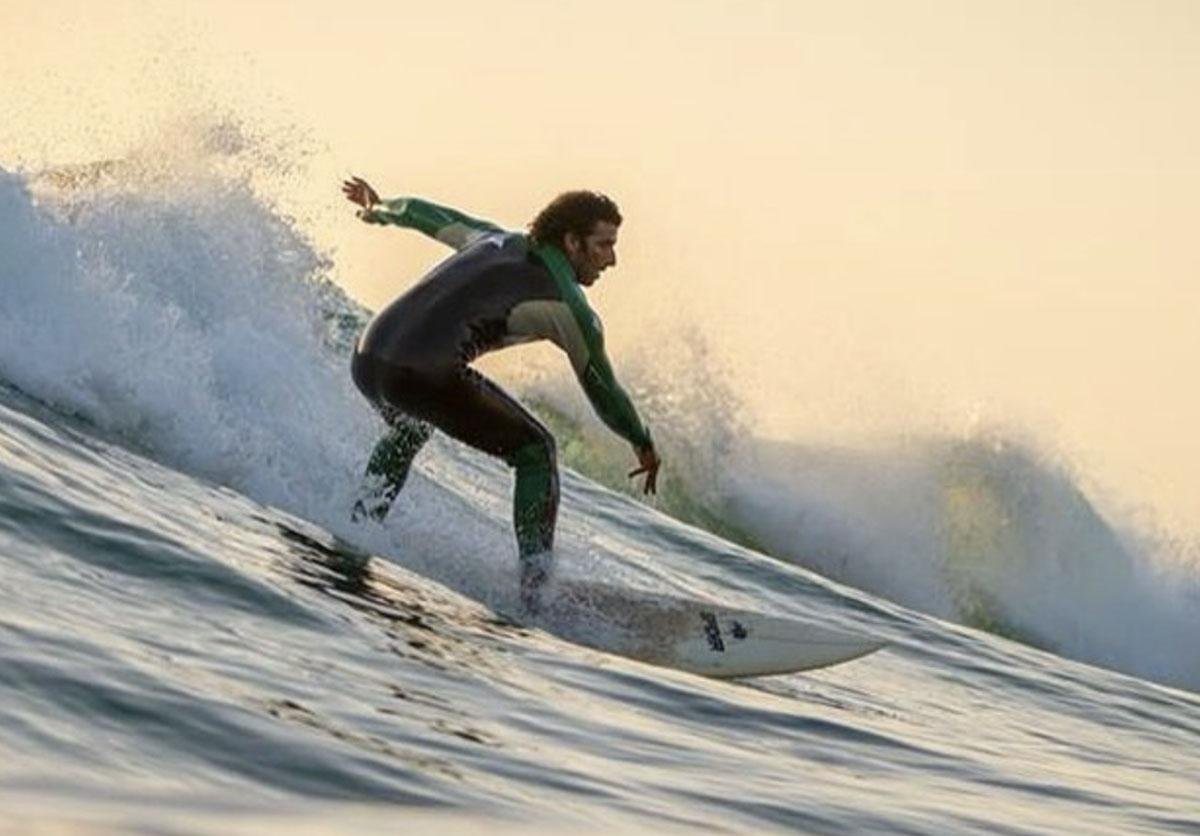
How to choose a surf camp in Taghazout without getting burned
There are roughly forty surf camps between Tamraght and Taghazout, and about eight of them are worth your money. The rest range from "fine, I guess" to "you'll spend the week in a Sprinter van with strangers wondering why you flew here." Here's how to tell which is which before you hit reserve.
Short version: ignore the star rating, ignore the drone footage of the pool, and look for three things — instructor-to-student ratio (max 5:1), a real kitchen with a Moroccan cook (not a Deliveroo situation), and someone local who actually owns or runs the place. Everything else is marketing.
The listing looks great. Why don't you trust it?
Booking.com listings for camps in Taghazout all look the same because they're shot by the same three photographers. You'll see the same golden-hour frame of Anchor Point from the same rooftop. That tells you nothing about the camp.
What matters happens off-camera — in the van at 7am, in the kitchen at 8pm, and in the water when the wind turns onshore at 11 and the instructor has to figure out plan B. None of that shows up in the photos.
The genuinely good camps here don't over-produce their listings. They fill up on repeat guests and word of mouth. When a listing screams too hard, it's usually compensating.
The instructor-to-student ratio is the whole game
If you take one thing from this post: ask what the instructor-to-student ratio is, and get the answer in writing before you pay.
The industry standard that sounds fine is 1:8. It isn't. At 1:8 on a busy day at Panoramas or Devil's Rock, your instructor is a lifeguard, not a coach. They're counting heads. You won't get feedback on your pop-up. You'll get "nice one!" shouted from thirty meters away.
Good camps run 1:4 or 1:5. Great camps run 1:3 for intermediates. If a camp won't tell you the ratio, or hedges with "depends on the week" — in peak season it balloons to 1:10 and you're paying for a wetsuit and a ride.
The van question nobody asks
How many people fit in their van? A standard Sprinter seats nine. If the camp sleeps 20 and runs one van, do the math — you're either surfing in shifts or jammed in like it's a grand taxi to Agadir. Ask how many vans they run per session. Two is the right answer for anything over 12 guests.
"All-inclusive food" means five different things
This is the biggest gap between listing and reality. "All meals included" can mean any of:
- Breakfast at the camp, lunch as a packet of biscuits in the van, dinner cooked at the camp. (Good.)
- Breakfast at the camp, "lunch on the go" you pay for yourself in Aourir, dinner at the camp. (Common. Not what you booked.)
- Breakfast, and dinner is a rotation of the same three tagines with the meat quantity slowly decreasing across the week. (Bad.)
- Full-board with a real cook doing beghrir, harira, chicken tagine with preserved lemon, fish tagine on Fridays, and a fresh salad you don't get sick from. (What you actually want.)
The tell: search reviews for the word "cook" or "cuisinière." If guests mention the cook by name — Fatima, Khadija, Aïcha — that's a real kitchen and a real person. If nobody mentions food in 200 reviews, the food is a shrug.
Also: if the camp brags about "international cuisine" or "pasta night," run. You're in Morocco. Somebody making you spaghetti bolognese in Tamraght is not the flex they think it is.
Who actually owns the place?
There's a wave of camps here owned by someone in Berlin or Lyon who visited once in 2019, hired a manager, and now runs the whole thing off Instagram DMs. These aren't automatically bad. But they're brittle. When the water heater breaks, when the van needs a new clutch, when a guest gets a jellyfish sting, the response time depends on whether the owner is awake in a different time zone.
Camps run by someone who lives here — Moroccan or long-term expat — solve problems in real time because the problem is happening in their house. That's the difference between a broken shower fixed by lunch and a broken shower "we're waiting on a part, sorry."
How to figure out who runs it
Read the last 20 reviews. If the owner replies personally, in decent English or French, and references specific things ("glad you enjoyed the trip to Imsouane"), they're actually there. If the responses are copy-paste "Thank you for staying with us, we hope to welcome you back soon" for 200 straight reviews, the owner has never met a guest.
Red flags in the Booking listing (a checklist)
Speedrun this before you book:
- Photos show only the pool and the rooftop, no bedrooms. The rooms are cramped or grim. Ask for bedroom photos directly.
- Every surf photo is the same three surfers on the same three waves. It's stock. They may not have taken guests to those spots in months.
- "Yoga included" but no photo of the yoga space. The "yoga space" is the rooftop with a mat. Fine if you know that. Not fine if you were expecting a proper shala.
- Reviews mention "the manager" but never a name. High turnover. Nobody's home.
- The listing is called "Surf & Yoga & Wellness & Coworking & Retreat & Camp." They don't know what they are. Neither will you when you arrive.
- Free airport transfer "on request." That means paid airport transfer. Ask upfront.
- No mention of which surf spots they go to. Because they go to whichever is closest, always. You'll spend seven days at the same beachbreak in Tamraght.
- Reviews complaining about the same thing 18 months apart. They know. They haven't fixed it.
Tamraght vs Taghazout: which village should you stay in?
Two different vibes ten minutes apart, and picking the wrong one is a real mistake.
Taghazout is louder, denser, more of a scene. Cafés on the main strip, surf shops every fifteen meters, the sunset crowd at Munga or World of Waves. If you want to walk out the door and find people to have a beer with (well — a smoothie; on the beer, see our alcohol post), stay in Taghazout. Downside: parking is a war, and the call to prayer from the main mosque will find you at 5:15am no matter where you sleep.
Tamraght is quieter, more residential, better for sleeping and for anyone who doesn't want to be surrounded by other tourists at breakfast. You're closer to Banana Beach and Devil's Rock, and closer to Aourir for groceries and the Marjane. The tradeoff: a 15-dirham taxi any time you want the Taghazout café scene.
Beginners: either works. Intermediates chasing Anchor Point and Killer's on a north swell: Taghazout puts you five minutes closer. But five minutes is nothing at 6:30am when everyone's already in the van.
What a good week actually looks like
Because it helps to know what you're trying to buy. A well-run week in October in Tamraght, at a camp doing this properly, looks like:
Msemen and mint tea at 8. Board and wetsuit sorted the day before. Van leaves at 8:45 for wherever the swell is best — peelers at Imourane, Banana on smaller days, Boilers or Killer's for intermediates when it's on. Instructor films you on a GoPro, sits down with you after for a five-minute video review. Back by 1 for lunch — a real tagine, salad, bread from the local farran. Nap, or a walk to Aftas beach. Second session at 4 if conditions hold. Dinner at 8, someone puts on Moroccan tea, someone's guitar comes out on the roof. Bed by 11 because the next van's at 7.
If the listing you're looking at can plausibly deliver that day, you're in the right place. If it can't, you already know.
FAQ
What's the best month to book a surf camp in Taghazout?
October and November for the best combination of swell, warm water, and manageable crowds. February to April is bigger and colder — great for intermediates chasing Anchor. Avoid August unless you like flat surf, 40°C heat, and Moroccan family holidays clogging every beach.
How much should a good surf camp cost per week?
Realistically, €450–€700 for a solid mid-range camp with full board, two surf sessions a day, and reasonable ratios. Anything under €350 is cutting corners somewhere — food, instructor quality, or room condition. We wrote a whole post breaking down 2026 pricing if you want the full math.
Is Tamraght better than Taghazout for beginners?
Slightly, yes. Banana Beach and Crocro Beach are right there and forgiving. You're also away from the intermediate-and-up energy that dominates Taghazout, which matters more than people think when you're standing on the beach terrified of your first pop-up.
Should I book direct or through Booking.com?
Book direct once you've picked a camp. Booking gets you the search and the reviews, but message the camp on WhatsApp before you pay. If they answer within an hour, in a human way, and offer you a 10-15% discount for booking direct — that's your signal both that they're organized and that they're a real business. Camps that only exist through the OTA are usually the ones you were trying to avoid.
Do I need to know how to surf before I come?
Not at all. Roughly 60% of guests at any given camp in Tamraght have never stood on a board. What you should do is be honest on the intake form. Camps that group a total beginner with intermediates chasing point breaks are the same camps that ignore the ratio question. Which brings us back to the top of this post.