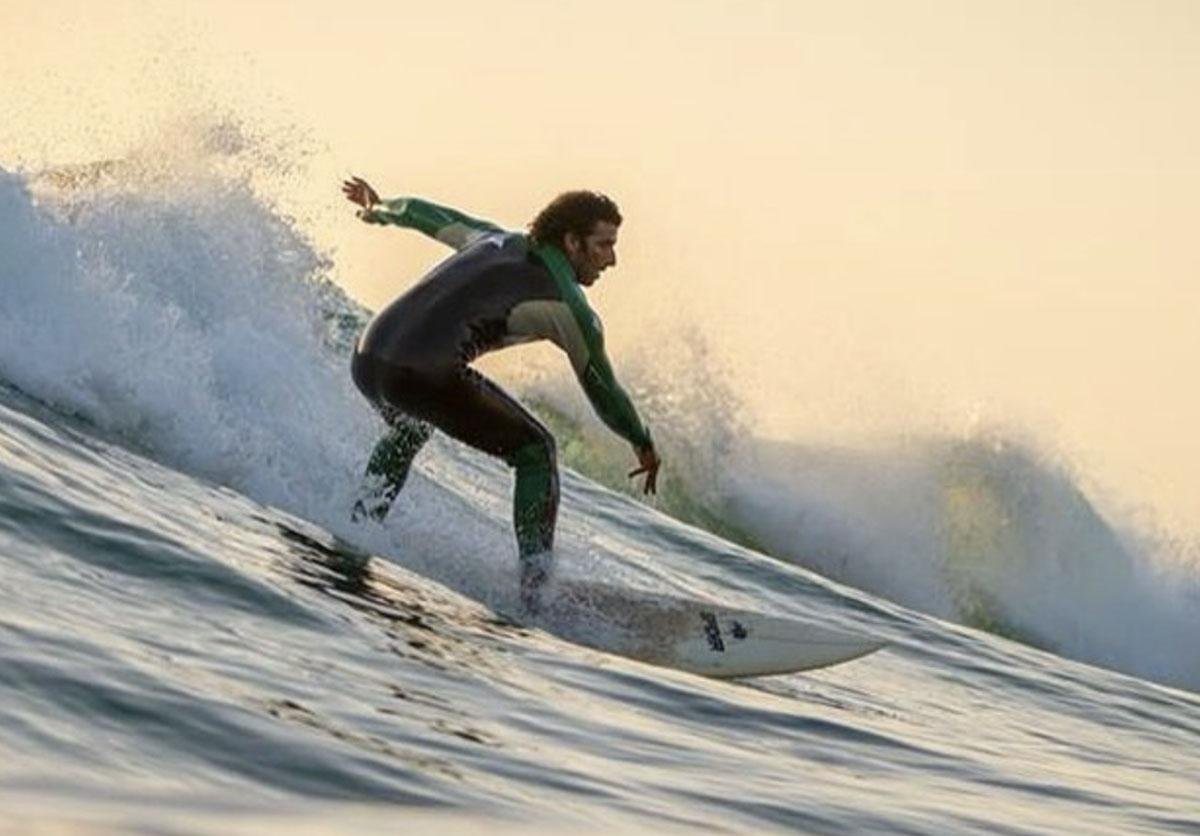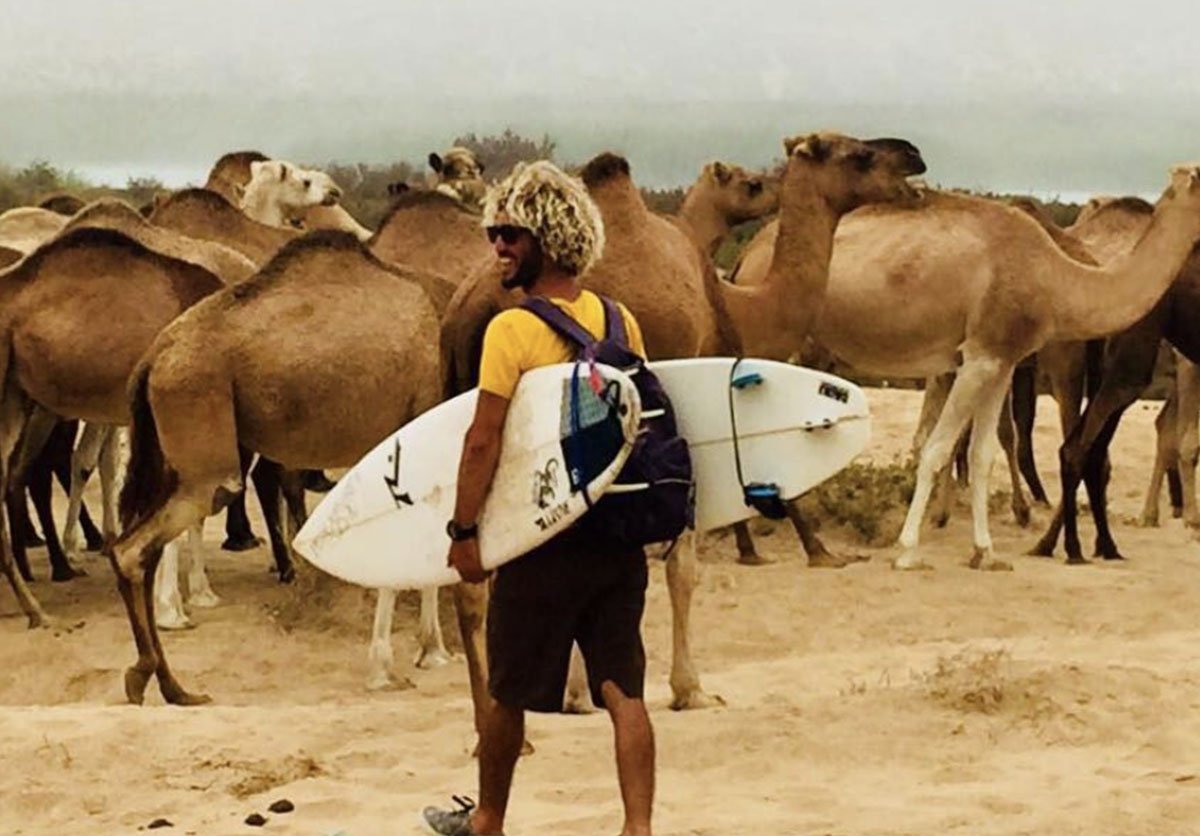
Die meisten Surfer ziehen Tamraght gegenüber Taghazout vor, weil es eine ruhigere, entspanntere Atmosphäre, günstigere Unterkunftspreise und einen einfachereren Fußweg zu anfängerfreundlichen Beachbreaks wie Devil’s Rock und Crocro bietet – und das, obwohl es nur eine sechsminütige Fahrt von den berühmten Pointbreaks in Taghazout entfernt ist.
Die echten Unterschiede bei den Surf-Setups
Taghazout ist weltweit bekannt, vor allem wegen Anchor Point. Wenn du ein erfahrener Surfer bist und nach einem schweren, schnellen Pointbreak für Rechte sucht, das auch dreifachen Overhead-Swell verträgt, bist du in Taghazout direkt an der Quelle. Aber für den Rest von uns, einschließlich Anfängern, Intermediates und Longboardern, ist das Setup in Tamraght oft viel praktischer.
Optionen für Anfänger und Intermediates direkt vor der Haustür
In Tamraght kannst du dir einfach dein Board schnappen und zu drei verschiedenen Spots laufen. Devil's Rock ist ein zuverlässiger Sandbreak für Rechte mit einigen Felsen, der eine spaßige, druckvolle Welle erzeugt. Direkt daneben liegt Crocro, ein weitläufiger Beachbreak, der Close-outs gut verträgt und ideal ist, um das Aufstehen zu lernen. Wenn der Swell riesig ist, kannst du Richtung Süden zum Banana Point laufen – einem langen, langsamen Pointbreak für Rechte, der für Longboarder extrem fehlerverzeihend ist. Du brauchst kein Auto, um an diesen Spots zu surfen.
Die heftigen Pointbreaks erreichen
Wenn du die heftigeren Wellen wie Anchor Point, Mysteries oder La Source surfen willst: Sie liegen nur sechs Kilometer nördlich. Unsere Coaches beladen sowieso jeden Morgen die Vans. In Tamraght zu wohnen bedeutet, dass du in einem ruhigen Dorf schlafen, zehn Minuten fahren kannst, um die schweren Points zu surfen, wenn sie laufen, und danach auf eine friedliche Dachterrasse abseits der Massen zurückkehrst.
Massen, Entwicklung und die Stimmung auf der Straße
Vor zehn Jahren war Taghazout noch ein verschlafenes Fischerdorf. Heute entwickelt es sich rasant. Es hat zwar tolle Restaurants und eine lebendige Strandpromenade, kann sich aber auch überfüllt, laut und sehr verwestlicht anfühlen. Es wird ständig gebaut und die Hauptstraße ist oft vollgepackt mit Touristen und Verkehr.
Tamraght hat sich seinen lokalen Charakter bewahrt. Es ist immer noch ein traditionelles Berberdorf. Die Straßen sind größtenteils unbefestigt, gelegentlich ziehen Ziegen an den Surfshops vorbei und das Lebenstempo ist langsamer. Ja, es ist staubig und du musst an einigen halbfertigen Gebäuden vorbeigehen, aber die Einheimischen leben tatsächlich hier, kochen hier und betreiben die Geschäfte. Es fühlt sich nach dem echten Morocco an, nicht nach einer Touristenblase.
"Bei großem Winter-Swell wird es in Taghazout unglaublich hektisch. In Tamraght können wir Devil's Rock von unserer Dachterrasse aus checken, in fünf Minuten hinunterlaufen und selbst dann einen ruhigen Peak finden, wenn die Points im Norden mit fünfzig Leuten, die um eine Welle kämpfen, völlig überlastet sind." — Coach Brahim
Kostenvergleich: Was du für deine Euro tatsächlich bekommst
Dein Budget reicht in Tamraght deutlich weiter. Weil Taghazout der bekanntere Name ist, sind die Immobilienpreise und Mieten in die Höhe geschossen, und diese Kosten werden an dich weitergegeben. Unterkünfte in Tamraght sind bei gleichem Komfortniveau im Allgemeinen 20% bis 30% günstiger.
Das Gleiche gilt für das Essen. Während eine Hipster-Bowl in Taghazout gut €12 kosten kann, kannst du in Tamraght einfach die Hauptstraße hinunterlaufen und lokale Läden finden, die frische Gerichte für einen Bruchteil davon servieren. Hier ist eine kurze Übersicht, was dich ein Tag in Tamraght in etwa kostet:
- Lokale Tajine: €4 bis €6 für eine langsam gegarte Hähnchen- oder Gemüse-Tajine.
- Traditioneller Minztee: €1 in einem lokalen Café.
- Tägliche Board- und Wetsuit-Miete: €10 bis €15 in lokalen Surfshops, falls nicht in deinem Camp enthalten.
- Sammeltaxi nach Agadir: €1.50 pro Sitzplatz in einem Grand Taxi.
Logistik, Fußwege und ehrliche Kompromisse
Wir wollen ehrlich sein, was die Geografie angeht. Tamraght wird durch die Hauptstraße N1 getrennt. Die meisten Surfcamps, so auch unseres, liegen oben auf dem Hügel im Wohngebiet. Das bedeutet, dass du 10 bis 15 Minuten Fußweg hinunter zum Strand hast und nach deiner Session einen leicht schweißtreibenden Rückweg bergauf antreten musst. Im Gegensatz dazu gibt es in Taghazout Hostels, die direkt auf den Felsen über dem Wasser gebaut sind.
Allerdings hat Taghazout keine Sand-Beachbreaks direkt vor der Stadt. Wenn du in Taghazout wohnst und auf Sand lernen willst, musst du trotzdem 15 Minuten zum Strand von Panorama laufen oder ein Taxi hinunter nach Crocro nehmen. Für den täglichen Surf-Nutzen gewinnt Tamraght für die meisten unserer Gäste dank des einfachen Strandzugangs.
Häufig gestellte Fragen
Ist Tamraght für Alleinreisende sicherer als Taghazout?
Beide Dörfer sind für Alleinreisende, auch für alleinreisende Frauen, absolut sicher. Tamraght hat eine etwas ruhigere, familiärere Atmosphäre, was bedeutet, dass man auf der Straße weniger von Händlern bedrängt wird und nachts ein ruhigeres Umfeld hat als in den belebteren Straßen von Taghazout.
Wie ist die Wassertemperatur im Winter?
Von Dezember bis Februar liegen die Wassertemperaturen bei etwa 16°C bis 18°C. Du brauchst einen guten 3/2mm Neoprenanzug. In den Sommermonaten erwärmt sich das Wasser auf etwa 22°C, sodass an warmen Nachmittagen ein Shorty oder sogar Boardshorts ausreichen.
Kann man zwischen Tamraght und Taghazout zu Fuß gehen?
Ja, es gibt einen flachen Küstenweg, der die beiden Orte miteinander verbindet. Es ist ein wunderschöner 5 km langer Spaziergang entlang des Ozeans, der etwa eine Stunde dauert. Er ist komplett gepflastert und eignet sich hervorragend für einen Spaziergang im Sonnenuntergang oder eine morgendliche Laufrunde – ist aber zu lang, um ein Surfboard zu tragen.
Die Entscheidung zwischen den beiden Orten hängt davon ab, was du von deinem Trip erwartest. Wenn du lebhafte Bars, belebte Straßen und den direkten Tritt vom Balkon auf die Felsen willst, wähle Taghazout. Wenn du Platz zum Atmen, günstigeres Essen und anfängerfreundliche Beachbreaks in Gehweite suchst, komm zu uns nach Tamraght. Wir fahren dich trotzdem hoch zu den berühmten Points, wenn der Swell stimmt.