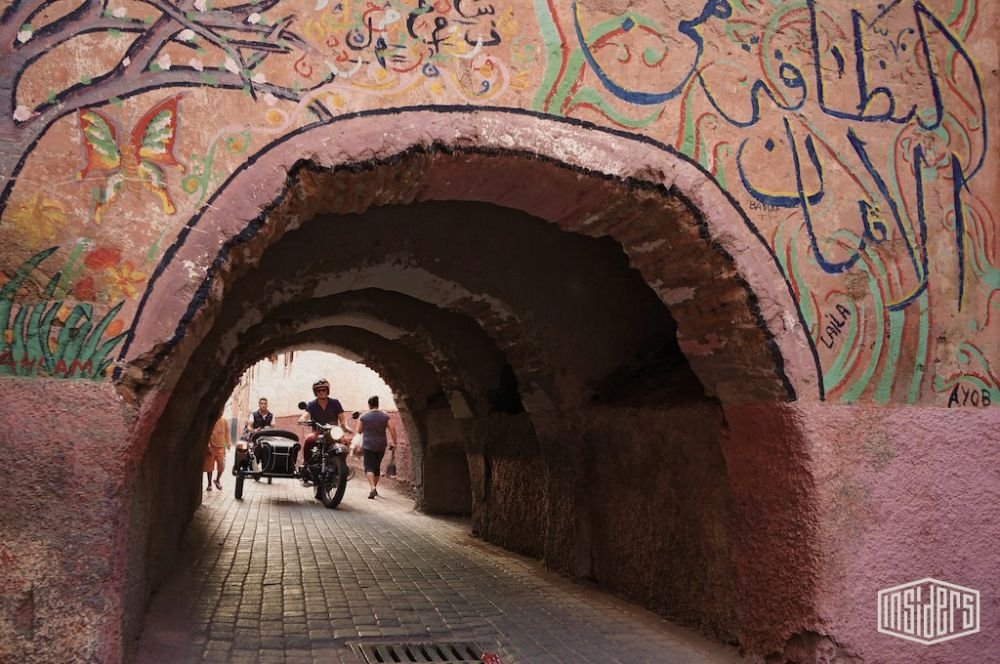
Moroccans speak Darija, a distinct Moroccan Arabic dialect mixed with Tamazight, French, and Spanish. While Modern Standard Arabic is used in official writing, it is rarely spoken on the streets of Tamraght or Taghazout. Most locals also speak Tashelhit, the local Berber language, and fluent French.
The unique linguistic mix of Moroccan Darija
Many guests arriving at Nomad Surf Camp are surprised to find that the language they hear on the streets of Tamraght is not the classic Arabic they might have studied on language apps. If you speak Middle Eastern Arabic to a local shopkeeper, they will understand you, but they will likely reply in a language that sounds completely different. That language is Darija.
Darija is the everyday spoken dialect of Morocco. It is not a written language; instead, it is a fluid, spoken mix of several cultures. Roughly speaking, it contains about 60% Arabic vocabulary, but the grammar and remaining vocabulary are heavily influenced by Tamazight (the native Berber language), French, and a bit of Spanish. For example, the word for table is tabla, which is identical to Spanish, and the word for car is tounobil, derived from the French word automobile.
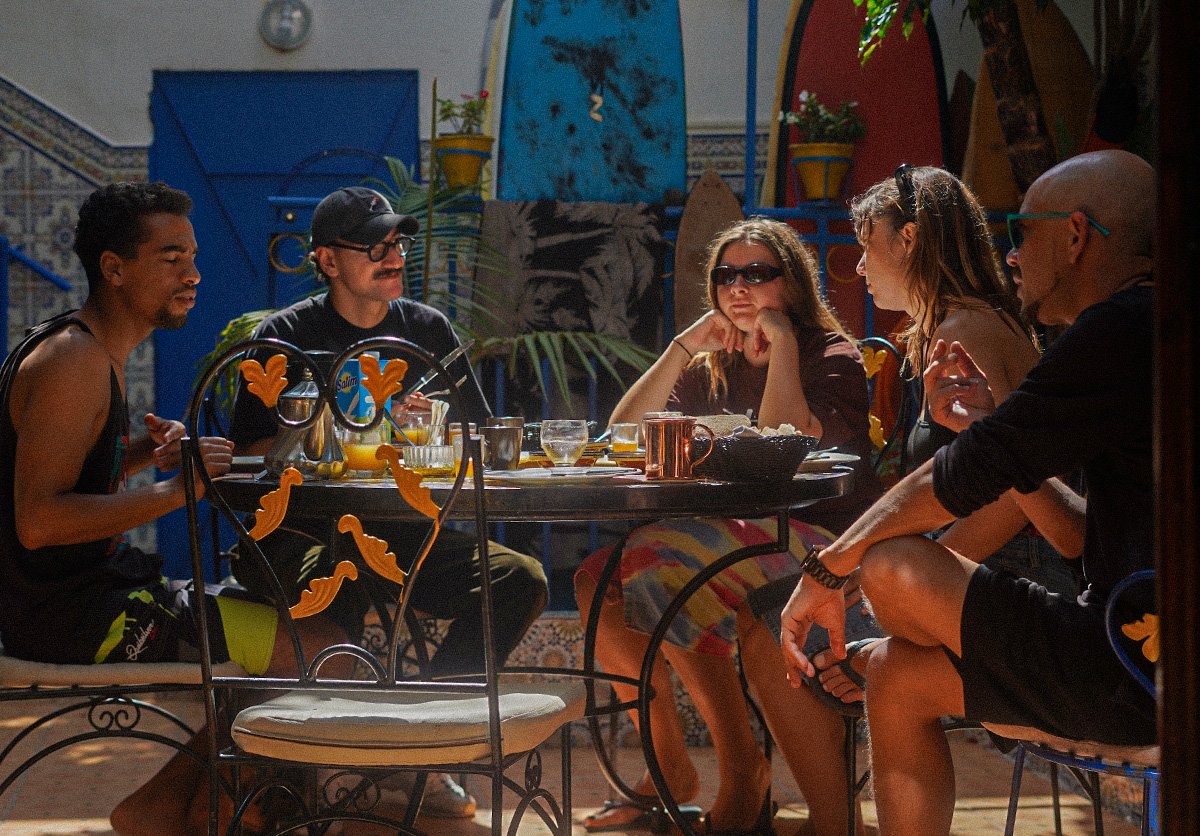
This linguistic blend reflects Morocco's history as a crossroads of civilizations. When you sit down for breakfast at our camp, eating flatbread with olive oil and honey, you will hear our staff switching effortlessly between three different languages in the span of a single sentence. It sounds confusing at first, but it is highly practical.
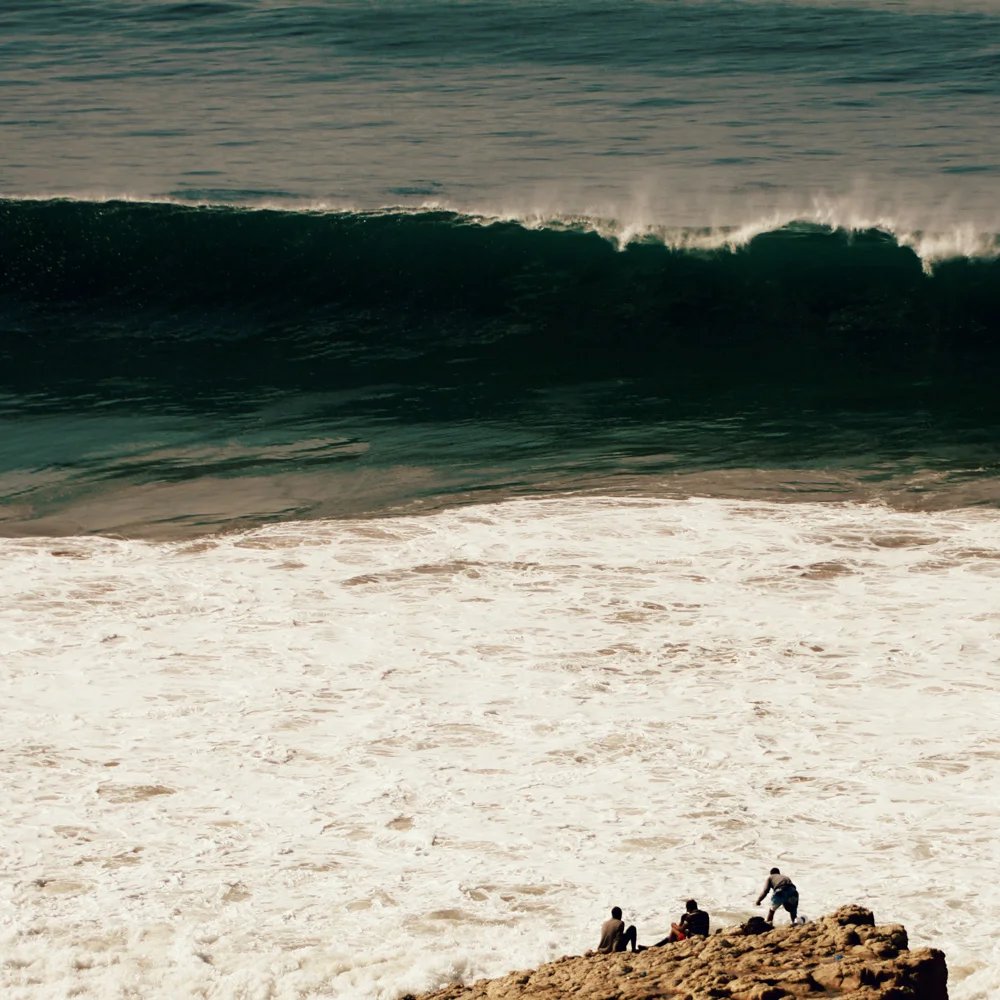
"When we check the waves at Devil's Rock, you will hear us swap between Tashelhit with the older fishermen, French with the travelers from Toulouse, and Darija with the kids waxing their boards." — Coach Brahim
How the language changes from north to south
Morocco is a diverse country, and the spoken language changes depending on where you are. In the northern regions near Tangier, Spanish influence is much stronger. In contrast, if you travel south to our home region of Souss-Massa, the linguistic landscape shifts significantly toward the Amazigh culture.
Tashelhit in the surf lineup
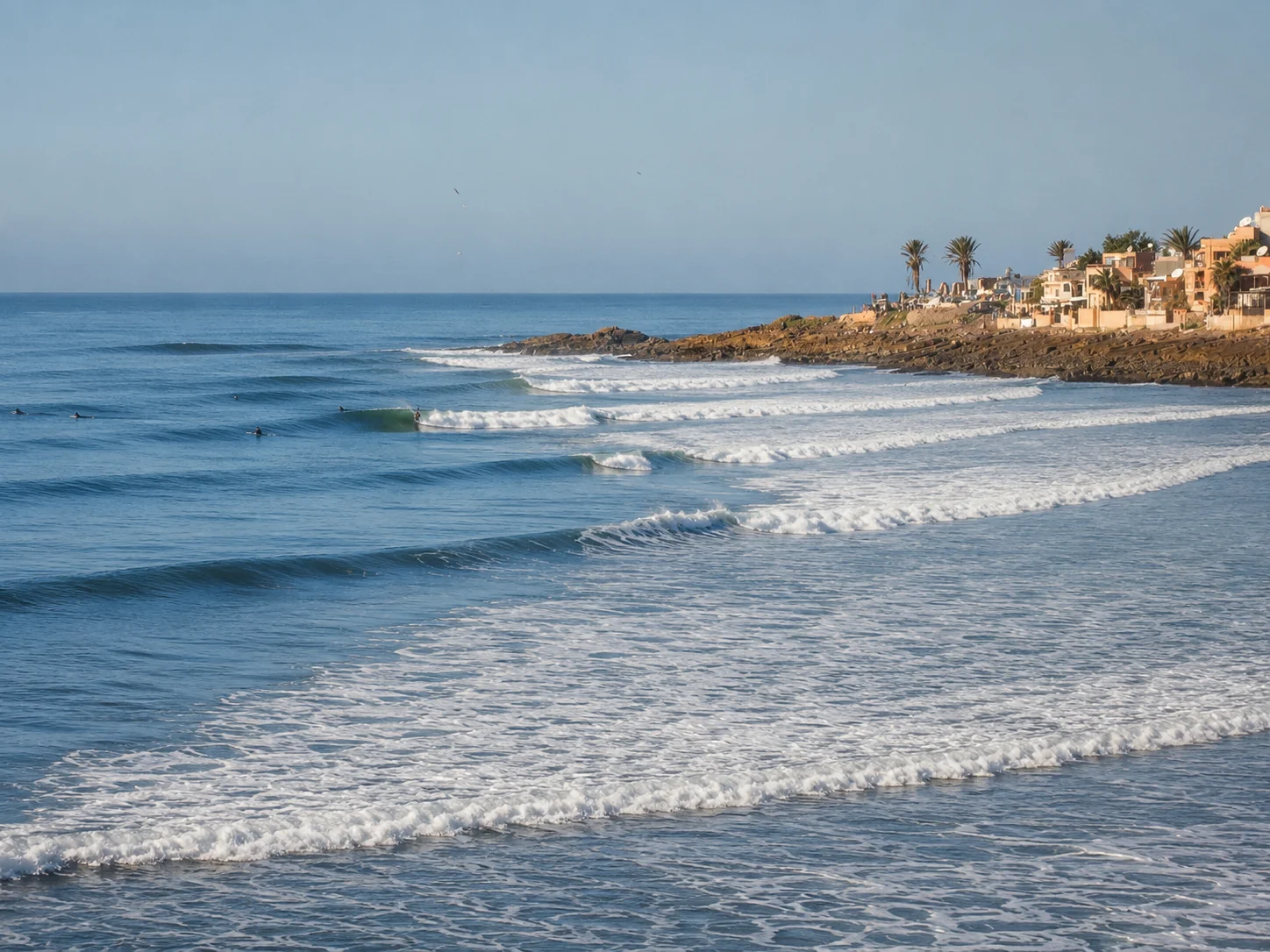
Here in Tamraght and the neighboring surf town of Taghazout, about 5 km to the north, the indigenous population is Amazigh. The specific local Berber language spoken here is called Tashelhit. Many of our surf coaches grew up speaking Tashelhit at home and only learned Darija and French when they started school. When you are paddling out at Crocros or catching waves at Banana Point, you will often hear local surfers shouting tips to each other in Tashelhit. It sounds entirely different from Arabic, with unique guttural sounds and a distinct rhythm.
Do you need to speak Arabic to visit Tamraght?
We often get emails from guests asking if they need to learn Arabic before booking their surf trip. The simple answer is no. You do not need to study classical Arabic. In fact, trying to use formal Arabic in a local café can feel overly stiff, like using Shakespearean English to order a coffee. Because tourism is a major part of the local economy along the coast, most people you interact with will speak several languages. Our coaches, local shopkeepers, and taxi drivers speak excellent English, French, and often German or Spanish. If you speak basic French, you will find it very easy to get around Agadir, which is only 15 km south of our camp.
Useful Darija words for your surf trip
While you do not need to be fluent, learning a few basic words of Darija goes a long way. The locals appreciate the effort, and it immediately breaks the ice. Here are five simple words you can use during your stay with us:
- Salam alaykum: Peace be upon you (the standard, respectful greeting).
- Bikhir?: All good? (a very common, casual way to ask how someone is doing).
- Shukran: Thank you (simple, essential, and used constantly).
- Bsaha: To your health (said when someone finishes a meal, gets a haircut, or comes out of a great surf session).
- Wakha: Okay or agreed (you will hear this dozens of times a day).
Navigating the language barrier in remote areas
While English and French will get you through most situations in Tamraght and Taghazout, things change slightly when you head on day trips to more remote surf spots. If we pack up the vans for a trip to Imsouane, which is about an hour and twenty minutes north of our camp, or head inland to explore the foothills of the Atlas Mountains, English becomes less common.
In these smaller villages, French or basic Darija gestures are your primary tools. If you want to buy a bottle of water or order a plate of grilled sardines at a roadside stall, pointing, smiling, and using basic French numbers will work perfectly. Do not let the language barrier stop you from exploring. The people here are notoriously welcoming, and a smile and a hand over your heart can communicate more than words ever could.
People also ask
Can Middle Eastern Arabic speakers understand Moroccan Darija?
Generally, no. Middle Eastern Arabic speakers from countries like Egypt or Saudi Arabia find Moroccan Darija very difficult to understand. This is due to the heavy integration of Amazigh grammar, French vocabulary, and the rapid pace at which Moroccans speak. However, most Moroccans can understand Middle Eastern dialects because of movies and music.
Is French widely spoken in Morocco?
Yes, French is taught in schools and is the primary language of business, government, and higher education in Morocco. Almost everyone you meet in the tourism industry, from taxi drivers to café staff in Agadir and Tamraght, speaks fluent French alongside Darija.
What is the local language in Agadir and Tamraght?
In Agadir and the surrounding surf villages like Tamraght and Taghazout, the primary spoken languages are Darija (Moroccan Arabic) and Tashelhit (the local Amazigh/Berber dialect). French is also universally understood and spoken in commercial areas.
At the end of the day, language in Morocco is about connection rather than perfection. You do not need to be a linguist to enjoy the waves at Devil's Rock or share a hot tagine of slow-cooked beef and prunes with our crew. Come with an open mind, try out a few words of Darija with our coaches on the beach, and let the conversations flow naturally. We will see you in the water.