Boilers Surf Spot Morocco: An Honest Local Guide (2026)
Boilers is the wave everyone photographs and half the people who paddle out regret paddling out on. It's a fast, rocky right-hand point break about 20 minutes north of Taghazout, next to a rusted-out shipwreck that has done more for Moroccan surf tourism than any marketing campaign ever will.
Short answer: it's worth the drive when the swell is big, the wind is offshore, and you're a confident intermediate or better. On a bad day it's a shallow, sectiony mess, and the road in will rearrange your suspension. Here's the real story.
What Boilers actually is
Boilers is a right-hand point break that peels along a shelf of volcanic rock north of Taghazout, past Killer Point and short of Tamri. It's named after the enormous rusted boiler from a cargo ship that ran aground here decades ago and never left. That's the shipwreck you've seen in every Morocco surf edit.
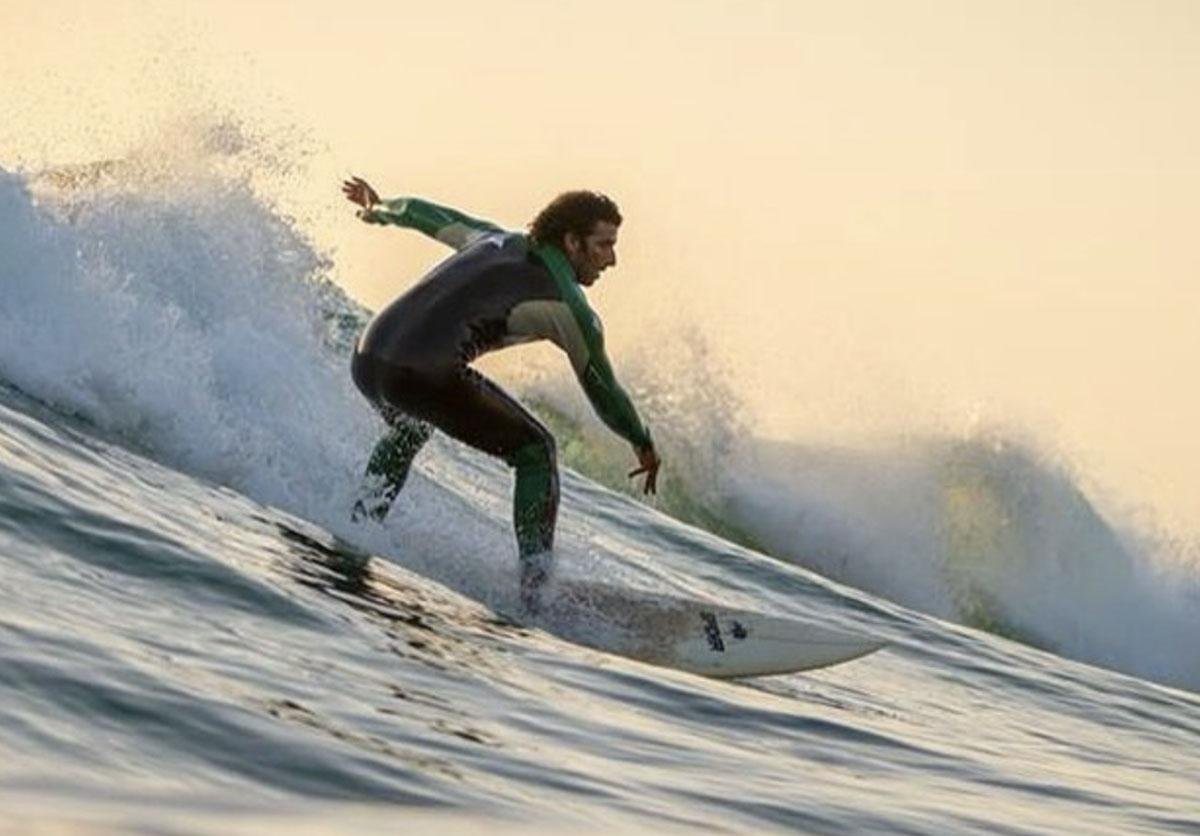
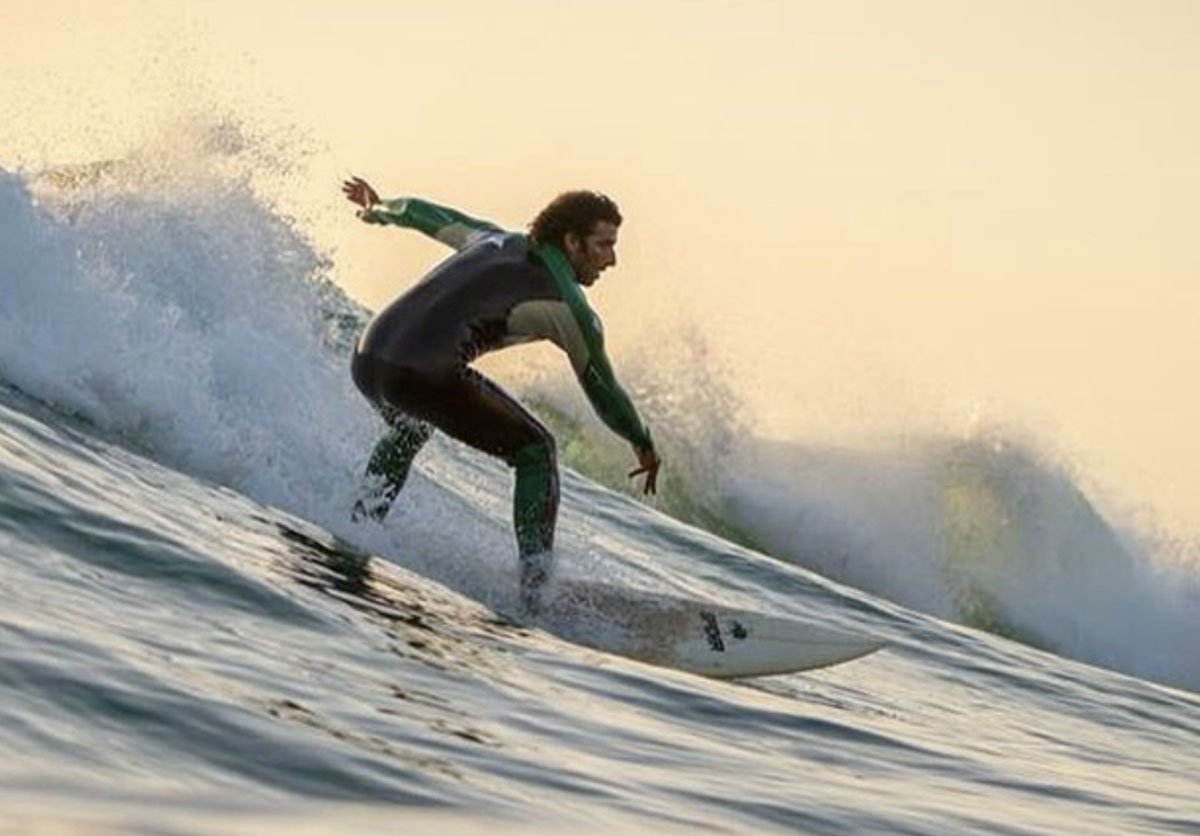
The wave itself is a long-ish point wrap. On the right day you get a punchy takeoff, a fast wall, and sometimes a proper barrel section over the shallow reef inside. On the wrong day it closes out, backs off, or breaks in about six inches of water over urchins. That range is the whole story of the place.
It's exposed, so it catches more swell than Anchor Point or Killer — which is why you'll see it firing when everything else in the bay is flat. That same exposure is why the wind can murder it in about ten minutes.
How the wave actually breaks
The lineup has two personalities depending on the tide and swell size.
On a solid mid-tide with a clean NW swell, you get a fast, walling right that sections in a good way — you can link the whole thing if you're paddling hard and reading the reef. The takeoff is over rock, and the inside can throw a legit barrel. This is the version people write home about.
On a small, weak, or wonky day, it's a different wave entirely. Sectiony, closeout-y, and shallow enough on low tide that you'll be picking urchin spines out of your foot back in the parking lot. Nobody posts those sessions.
It's fickle in a way that catches visitors off guard. Check it Monday and it's firing head-high; drive back Wednesday and it's a foot of chop over exposed rock. Don't assume yesterday's report means anything.
Who Boilers is actually for
Let's be honest about levels, because this is where people get hurt.
- Beginners: No. Absolutely not. There's no beach, the takeoff is over rock, and the paddle-out crosses urchin-covered slabs. Go to Panoramas or Devil's Rock.
- Improvers who can catch unbroken waves: Only on a small, clean, mid-tide day, and only if someone experienced brings you and shows you the channel. Otherwise don't.
- Confident intermediates: Yes, this is your wave. You'll get the best sessions of your trip when it's on.
- Advanced: Obviously. You already know.
The vibe in the water is usually fine — mixed crew of locals, guides, and travelers — but it gets tetchy when it's small and everyone's fighting for the two makeable sections. Standard point break politics: sit deeper, wait your turn, don't drop in on Mohamed.
When Boilers actually works
The season for the whole Taghazout-Tamraght stretch runs roughly October to April, and Boilers follows the same pattern with one twist: it needs size.
The best window is November through February, when the North Atlantic is throwing proper long-period swells and the mornings are still glassy before the afternoon wind fills in. Chest-high is the minimum for it to have any shape; head-high and up is when it starts doing what it does.
Summer? Skip it. The swell is too small and too south, the wind is on it every afternoon, and you're much better off at Imsouane or just accepting that summer here is for tagine, pool, and pretending you came for the culture.
Rule of thumb from years of driving up there: if Anchor Point is over head-high and clean, Boilers is probably firing. If Anchors is waist-high mush, don't waste the petrol.
Wind matters as much as swell. You want east or northeast offshores, which is the standard morning setup here in winter. The onshore that kicks in around lunchtime destroys it. Dawn patrol or nothing.
How to get to Boilers without wrecking your car
This is the part every other guide skips, and it's the part that matters. The road to Boilers is not a road. It's a dirt track that branches off the main N1 coastal highway roughly halfway between Taghazout and Tamri, and it's genuinely rough.
The honest version:
- From Taghazout, take the N1 north past Killer Point. Keep going. You'll pass a lot of nothing.
- Roughly 15-20 minutes out of town, look for a small, unmarked dirt turnoff on your left toward the ocean. There's usually a scatter of parked cars and a couple of stalls selling argan oil. That's your marker.
- The track down is around 2-3 km of loose gravel, ruts, and one or two sections that scrape the underside of a normal rental car. Go slowly. First gear on the descents.
- Park on the flat area near the wreck. Don't drive further than everyone else has.
If you've got a standard Dacia Sandero or Fiat Panda from Agadir airport, you can technically make it, but you'll want to crawl. If it's rained recently, don't try it — the ruts turn into gutters. A small SUV is genuinely better here.
Easier option: pay a local guide or a surf school in Taghazout or Tamraght to drive you. It's typically 150-250 dirhams, they know exactly where the track is, and they'll drop you at spots your rental insurance would definitely not cover.
Don't leave valuables in the car. This isn't Marrakech-level nonsense, but the parking area is remote and unmonitored. Take your phone and passport with you or leave them at the riad.
What to bring and what to watch out for
Boilers is not a spot where you rock up in board shorts with a soft-top and figure it out.
- Reef boots. Non-negotiable. Entry and exit is over sharp volcanic rock and the inside section is urchin city. I've watched too many people limp back up that track.
- A proper board. Something with paddle power and drive — a step-up shortboard, a good all-rounder, or a mid-length if that's your thing. Fish work on the smaller days.
- Water and food. There's a small stall or two sometimes, but don't count on it. Bring snacks and a couple of litres of water. It's a full mission, not a quick check.
- A basic first aid kit. Iodine, tweezers, tape. Urchin spines are a fact of life here.
On the way back, most locals stop for a tagine or a bowl of harira in Tamraght. Aftab or one of the little places on the main drag will fix you up for 40-60 dirhams. Earned.
Is Boilers worth it?
Honest answer: on the right day, it's one of the best waves in Morocco and absolutely worth the drive. On the wrong day, you'll wonder why you didn't just go to Anchors like everyone else.
The Boilers you've seen in edits is real. It just doesn't happen every day, and the road in is exactly as sketchy as it looks. Pick your day, bring boots, drive slowly, and it'll be one of the sessions you talk about when you get home.
FAQ
Is Boilers dangerous?
It's not a heavy wave by world standards, but the reef is shallow and sharp, and getting in and out over rock is where most injuries happen. Reef boots and paying attention to the tide take care of 90% of the risk. Don't surf it below your level.
Can beginners surf Boilers?
No. There's no beach, the takeoff is over rock, and it's a fickle point break. Beginners should stick to Panoramas, Devil's Rock, or Crocro in Tamraght with a school.
How long is the drive from Taghazout to Boilers?
Around 20-25 minutes on the tarmac, then another 10-15 minutes crawling down the dirt track. Give yourself 45 minutes door to lineup, more if you're driving cautiously in a rental.
What's the best month to surf Boilers?
December and January, when the North Atlantic is fully switched on and the mornings are still light-wind. November and February are also solid. Avoid summer entirely.
Do I need a 4x4 to get to Boilers?
No, but you'll want one. A regular hatchback will make it in dry conditions if you drive very slowly. After rain, or if you're nervous about scraping a rental, hire a local driver or book through a surf camp — it's cheap and saves the argument with the rental company.