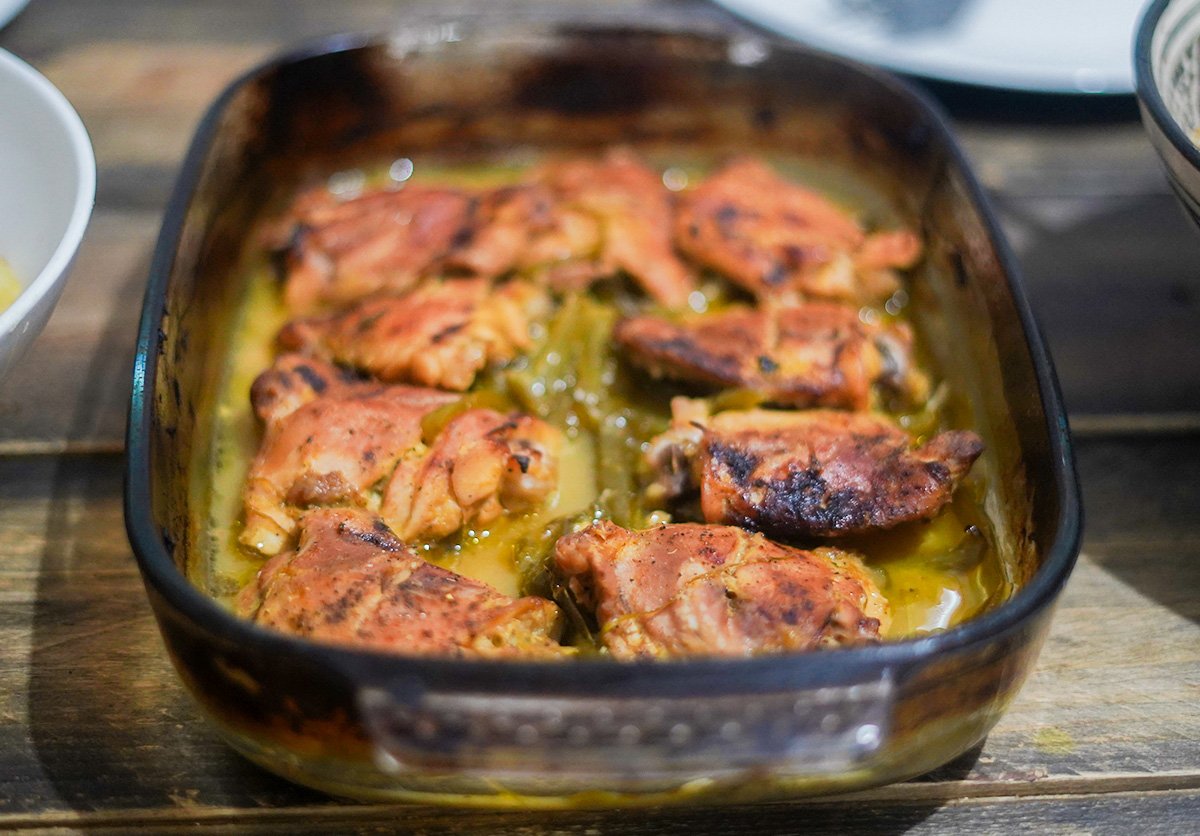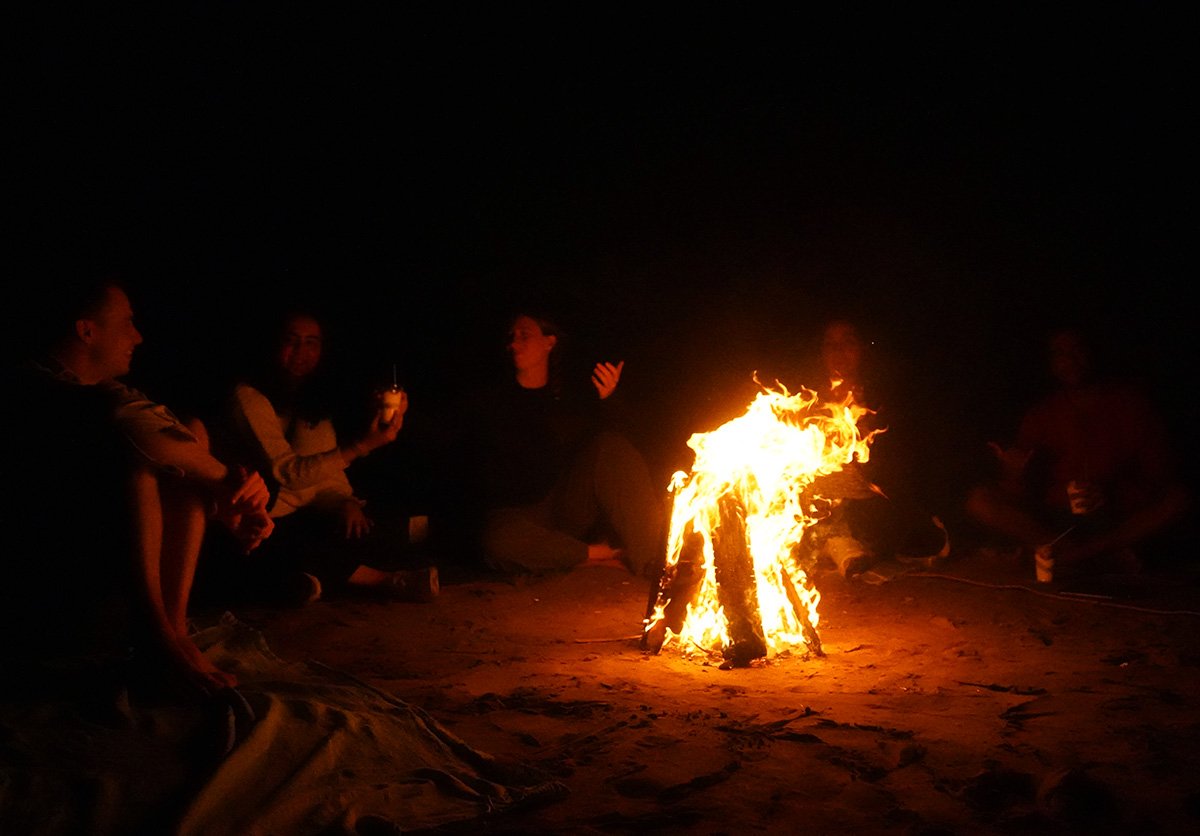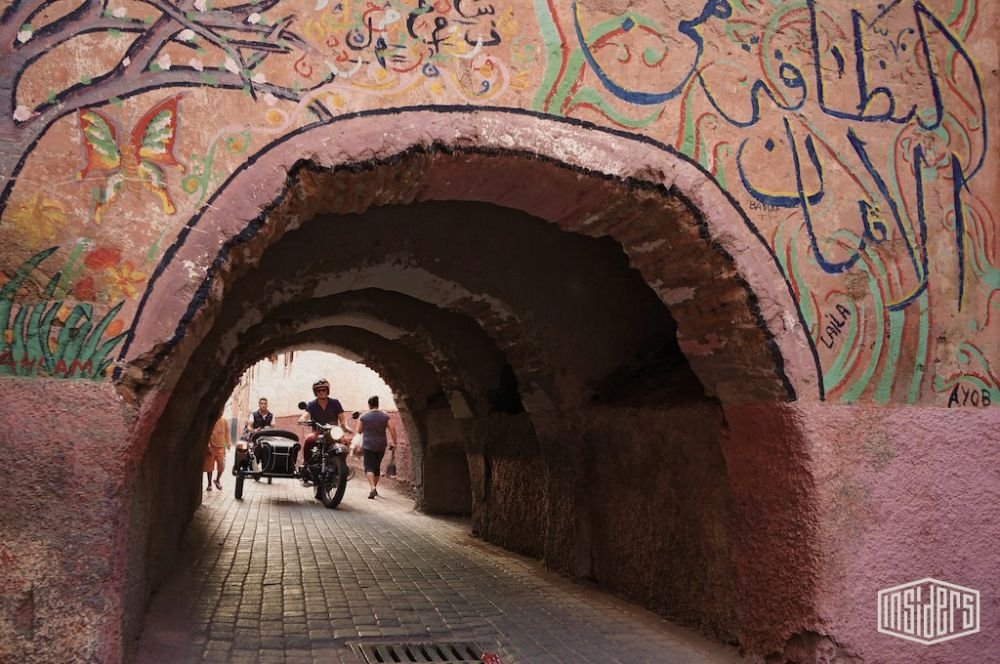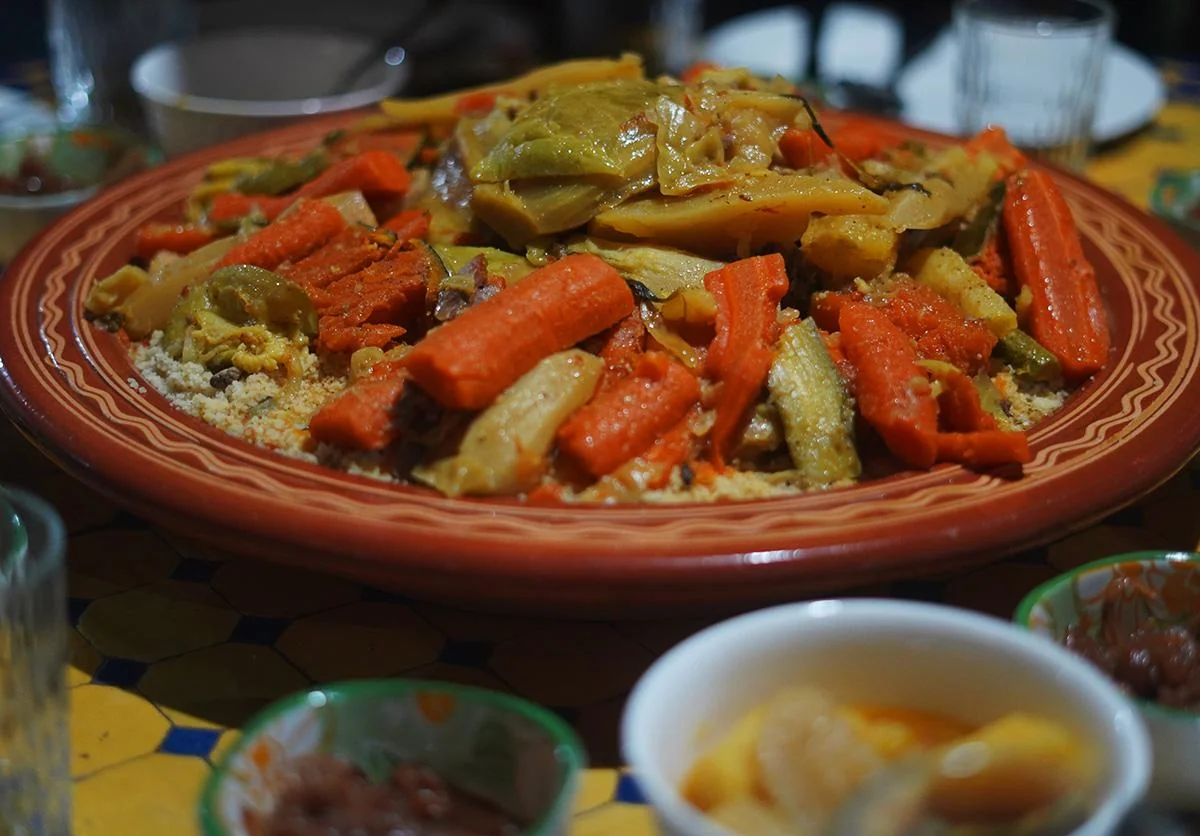
Moroccan cuisine won the Pubity world's best cuisine poll, championed by chef Gordon Ramsay, due to its complex layering of sweet and savory spices, slow-cooking heritage, and fresh, hyper-local ingredients. This global vote confirmed what we eat daily in Tamraght: tagines, couscous, and street foods offer unmatched flavor depth.
The tournament that crowned Morocco's kitchen
It started as a bracket-style tournament on social media, hosted by Pubity and watched by millions. Over several rounds of public voting, Morocco knocked out culinary heavyweights like Mexico and Italy to claim the top spot. Chef Gordon Ramsay officially backed the victory, celebrating the country's rich culinary history. For those who live outside North Africa, the win might have seemed like an upset. For us on the coast, it felt like overdue validation.
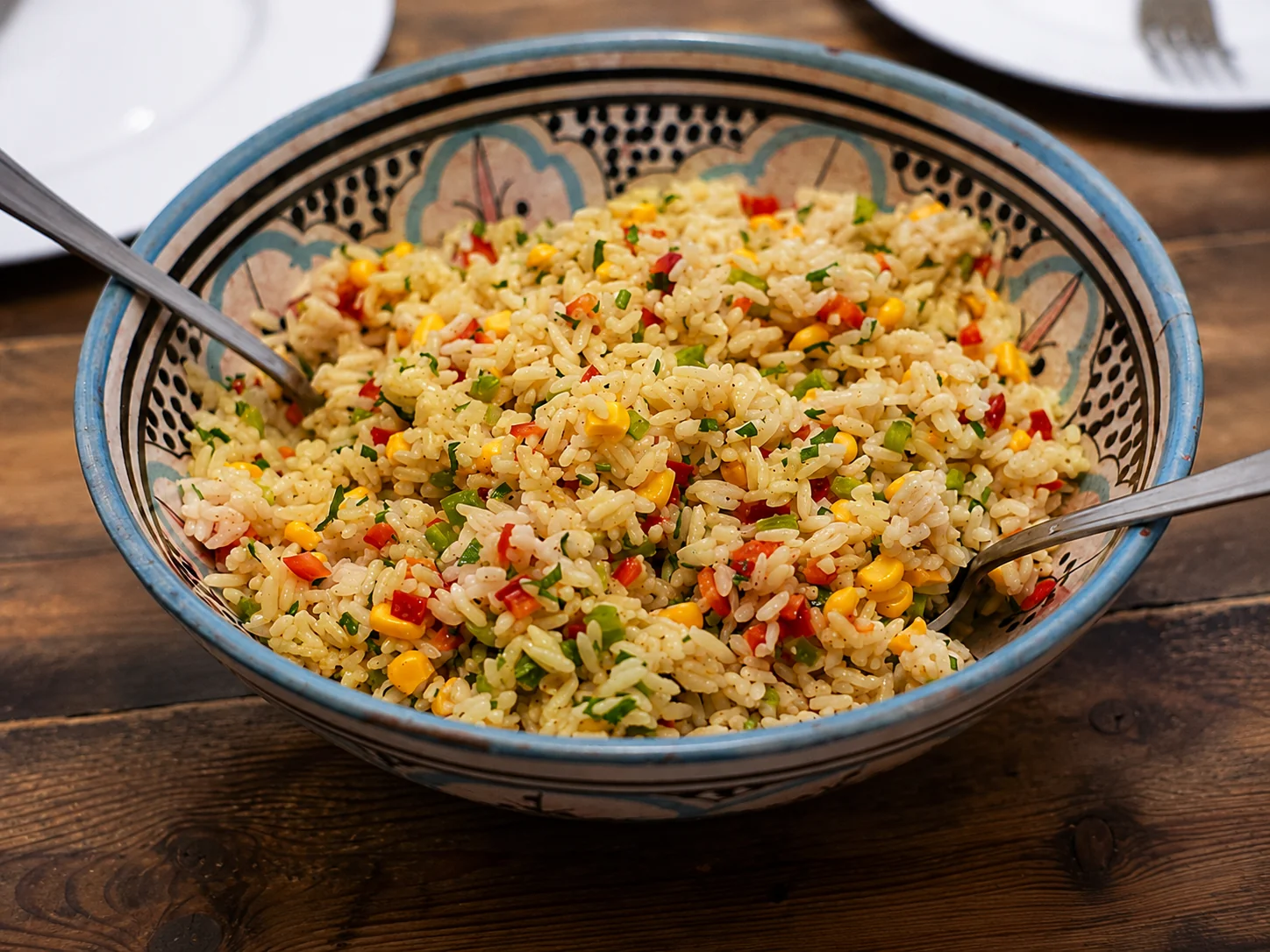
Our kitchen team at the surf camp spends every morning preparing for the day ahead, starting with trips to the local souk. We see firsthand how much labor goes into Moroccan cooking. It is not a cuisine of quick fixes or fast-track recipes. It requires patience, wood fire, clay pots, and an understanding of how spices interact over hours of gentle heat.
Why the global vote surprised people (but not us)
Many food critics expected Italy or Japan to take the crown. Those cuisines rely heavily on technique and the clean presentation of single ingredients. Moroccan cooking operates differently. It is about alchemy. We take tough cuts of meat, raw vegetables, and dry spices, and transform them into something integrated and rich. After paddling through five-foot sets at Devil's Rock for three hours, your body does not just want food; it needs the deep nourishment that only hours of slow braising can provide.
The architecture of Moroccan flavor
The foundation of this kitchen relies on a complex spice palette. We do not use spices to burn the tongue. Instead, we use them to build layers of warmth. Cumin, paprika, turmeric, ginger, and saffron form the baseline. Added to this is Ras el Hanout, a complex blend that can contain over twenty different ground spices, including cardamom, nutmeg, and mace.
What sets our food apart is the contrast between sweet and savory. It is common to find slow-cooked beef paired with sweet prunes and toasted almonds, or chicken cooked with preserved lemons and salty red olives. This balance keeps your palate engaged from the first bite to the last scoop of crusty bread.
The science of the clay tagine
You cannot talk about Moroccan food without talking about the tagine, the heavy clay pot with the cone-shaped lid. The design is highly functional. As steam rises from the cooking meat and vegetables, it condenses on the cool interior of the cone and drips back down into the dish. This continuous self-basting cycle keeps the food moist with very little water added.
In Aourir, the village five minutes up the road from our camp, local cafes line the street with dozens of clay tagines cooking over charcoal embers. The meat becomes so tender it falls off the bone at the touch of a finger. A good lamb tagine with almonds and prunes at one of these roadside spots costs about 5 euros, and it is easily one of the best meals you will find in the region.
What we eat after surfing Crocro and Devil's Rock
Surfing in the cool Atlantic waters of Morocco burns serious calories. When our coaches come back from a long session teaching at Crocro or guiding at Banana Point, they do not head for salads or light snacks. They want hot, dense, mineral-rich food that restores their energy.
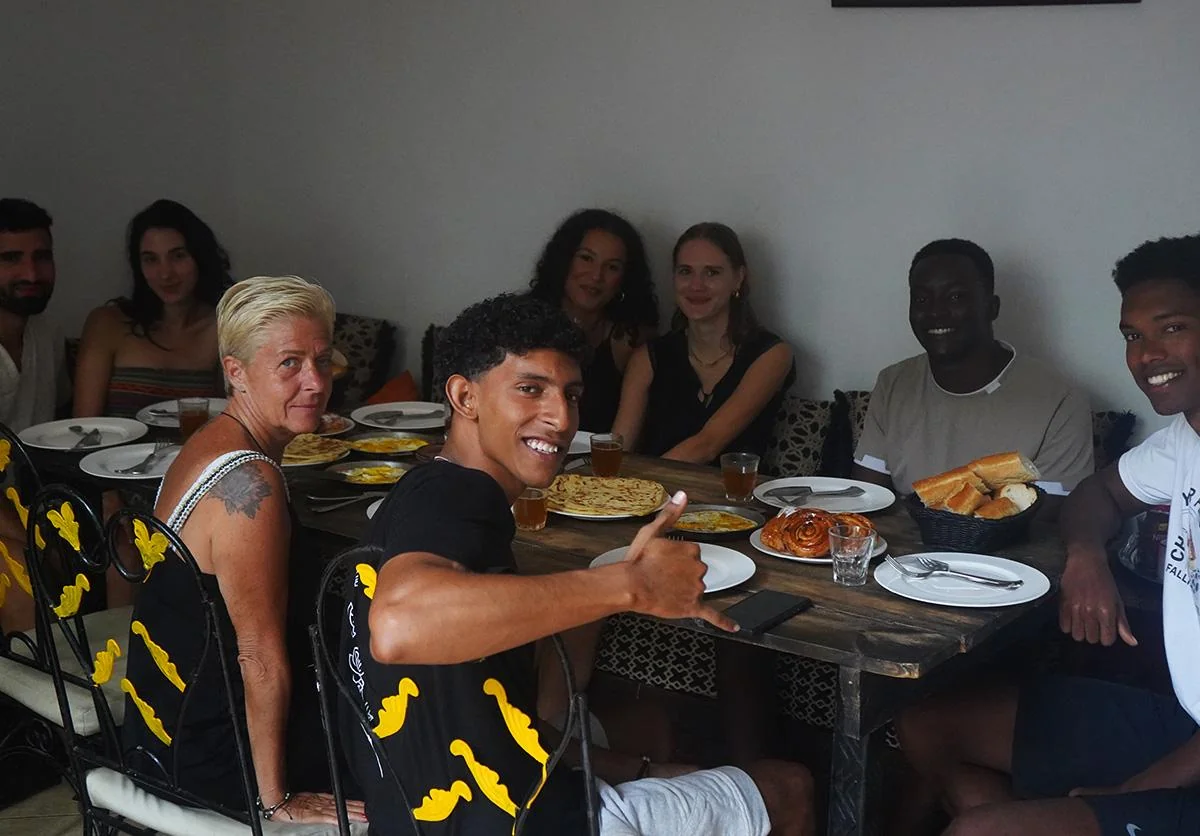
The daily diet on our stretch of coast is practical, affordable, and deeply satisfying. Here are the four staple dishes that sustain our team and guests throughout the week:
- Loubia: Stewed white beans cooked with cumin, garlic, ginger, and tomato, costing less than 2 euros at local cafes. It is pure protein and carbs.
- Harira: A thick tomato, lentil, and chickpea soup served with sweet dates. It is the first thing locals eat to break their fast, and it is perfect for warming up after a late January sunset session.
- Msemen with amlou: A flaky, pan-fried flatbread smeared with a paste made from toasted almonds, argan oil, and wild honey.
- Chermoula Sardines: Fresh sardines stuffed with a punchy paste of coriander, garlic, cumin, lemon, and chili, then fried until crispy.
"If you surf six hours a day in winter, your body burns through fuel like a furnace. Msemen with amlou is not just a treat; it is high-grade fuel that keeps our arms moving when the swell kicks in at Hash Point." — Coach Brahim
The trade-offs of traditional Moroccan cooking
While Moroccan food deserves every bit of praise it received from Ramsay, it is worth being honest about its limitations. This is not a fast-food culture. If you walk into a traditional restaurant and order a tagine, and it arrives at your table five minutes later, you are eating reheated food. A real tagine takes at least two hours to prepare from scratch.
If you are traveling through Taghazout or Tamraght on a tight schedule, you need to plan ahead. The best meals are found in the busy local spots where the clay pots have been simmering since dawn, or at camps where the kitchen team starts chopping vegetables right after breakfast. If you hurry the process, the spices remain raw and the meat stays tough.
People also ask
How much does a typical dinner cost in Tamraght?
Expect to pay between 5 and 9 euros for a substantial main dish like chicken tagine or mixed grill at local cafes in Tamraght. Simple street food options like sardine sandwiches or bowls of loubia cost even less, usually around 1.50 to 3 euros.
Is Moroccan food spicy like Indian or Mexican food?
No, Moroccan food is rarely hot-spicy. It relies heavily on warming, aromatic spices like cumin, ginger, saffron, and cinnamon rather than raw chili heat. If you want heat, you can ask for a side of harissa paste, which is a spicy red chili condiment.
Can vegetarians survive on Moroccan cuisine?
Yes, very easily. While meat is highly prized, vegetable tagines are standard. You can also find rich lentil dishes, chickpea stews, fresh tomato-cucumber salads, and zaalouk, a spiced eggplant dip, at almost every local restaurant along our coast.
The next time you are sitting on the beach after a long afternoon in the water, skip the international burger joints. Walk up into the streets of Tamraght, find a small cafe with smoke rising from the terrace, and order a fresh tagine with a pot of mint tea. It is the exact combination of salt, sugar, and fat your body needs to recover for tomorrow's swell.