Le meilleur mois pour surfer au Maroc, honnêtement
J’écris ces lignes à la mi-juillet. Anchor Point ressemble à un lac. Les dix prochains jours annoncent 0,6 m à huit secondes : une manière polie de dire qu’il ne se passe presque rien. Pourtant, quelqu’un vient de nous demander si juillet était un bon mois pour réserver un séjour surf.
Réponse courte : le meilleur mois pour surfer au Maroc est octobre si vous voulez le début de la saison sans la foule de Noël, ou mars pour de belles houles propres lorsque beaucoup de visiteurs sont déjà repartis. Avec une seule semaine et notre propre budget, nous choisirions la deuxième semaine d’octobre. Voici la version honnête, mois par mois, racontée par des personnes qui vivent ces conditions.
Pourquoi la réponse « d’octobre à avril » est trop facile
Presque tous les guides répètent la même formule : « surfez au Maroc d’octobre à avril ». Ce n’est pas entièrement faux, mais cela ignore les mois intermédiaires, les différences de niveau, la tolérance à la foule et l’équipement dont vous disposez. La vraie saison de surf au Maroc est plus nuancée.
Octobre : le mois que nous choisirions
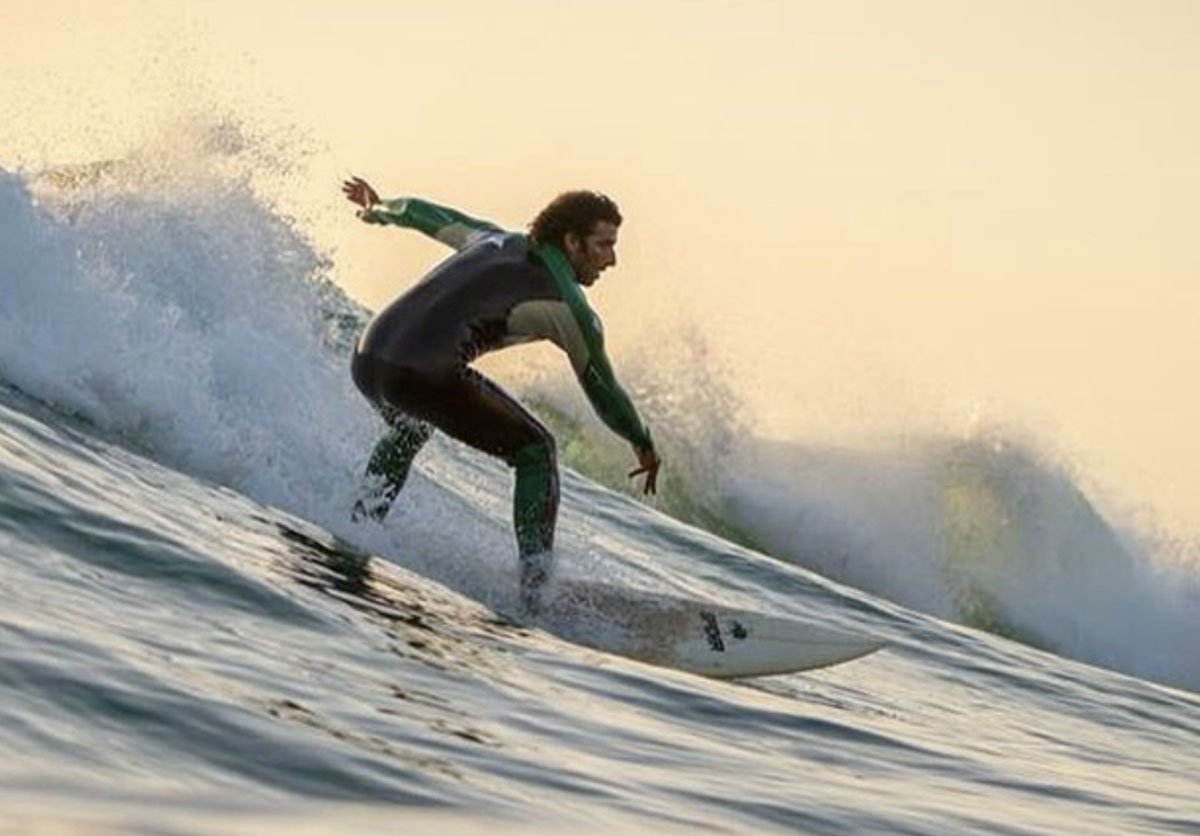
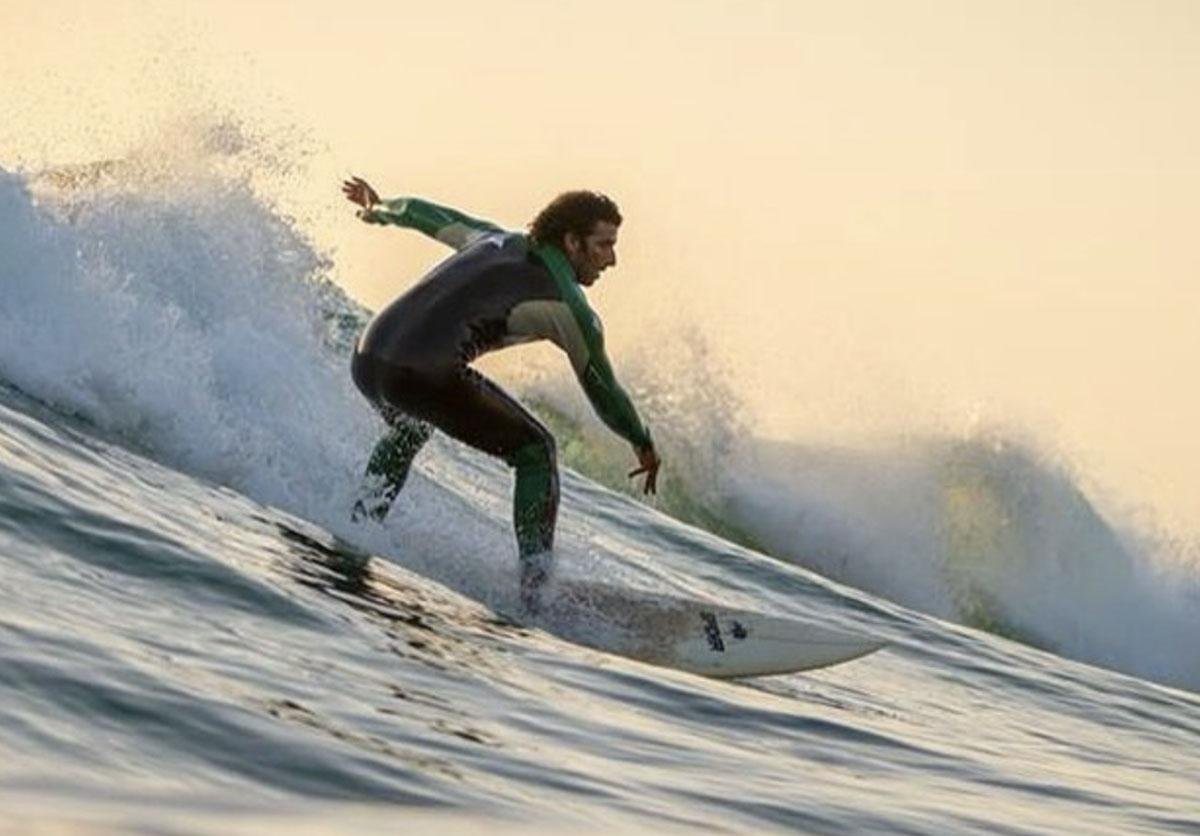
En octobre, l’Atlantique se réveille. Les premières vraies houles de nord-ouest arrivent souvent au milieu du mois, le vent du désert favorise des matinées offshore et l’eau reste relativement chaude. Les grandes foules de décembre ne sont pas encore là, les spots sont plus accessibles et les tarifs restent souvent ceux de l’intersaison.
Si une personne nous demandait quand passer une semaine au Maroc, nous lui conseillerions sans hésiter la période autour du 10 au 20 octobre.
Novembre et décembre : forte houle, forte fréquentation
En novembre, les récifs commencent vraiment à fonctionner. Anchor Point se réveille, Killer Point peut marcher avec la bonne orientation et la baie d’Imsouane offre ses longues glisses. L’eau fraîchit : une combinaison 3/2 devient utile.
Le revers est simple : tout le monde le sait. Entre environ le 20 décembre et le 5 janvier, Taghazout devient très fréquentée, les parkings se remplissent, les take-offs sont chargés et les prix augmentent. Les surfeurs intermédiaires confirmés ou avancés peuvent profiter de vagues remarquables, mais ceux qui apprennent ou détestent la foule devraient éviter précisément ces deux semaines.
Le secret rarement évoqué : en décembre, les beach breaks autour de Tamraght — Devil’s Rock, Banana Beach et Cro-Cro — peuvent parfois offrir une meilleure session que des points saturés.
Janvier et février : frais, puissants et magnifiques si vous avez le niveau
Janvier apporte certaines des plus fortes houles de l’année. Certaines journées illuminent Boilers tandis que d’autres spots ferment complètement. L’eau atteint sa période la plus fraîche ; une 4/3 peut être préférable, avec des chaussons sur les récifs pour ceux qui en ont besoin.
Après le Nouvel An, la foule diminue. À la mi-janvier, les camps accueillent davantage de surfeurs engagés et de travailleurs à distance. Les prix baissent, mais certaines journées restent trop puissantes pour la majorité des visiteurs. Les intermédiaires peuvent alors se retrouver plus souvent à Banana ou Imsouane, ce qui n’est pas un mauvais compromis.
Mars : le mois que les habitués se recommandent
Demandez à quelqu’un qui vit ici depuis plusieurs hivers son mois préféré : beaucoup répondront mars. Les houles restent régulières, l’eau commence à se réchauffer, la lumière devient dorée et une grande partie des touristes est repartie. Il devient possible de profiter des récifs avec moins de monde et des tarifs d’intersaison.
Mars peut aussi recevoir des houles de sud ou sud-ouest qui réveillent des vagues moins actives en plein hiver. Le vent reste parfois capricieux, mais lorsqu’il s’aligne, les sessions peuvent être excellentes.
Choisissez mars si vous surfez depuis quelques années, privilégiez la qualité à la quantité et préférez quelques sessions mémorables à une semaine de vagues moyennes.
Avril : les dernières bonnes conditions de la saison
Le début avril peut encore être solide. Vers la fin du mois, les vents deviennent plus souvent onshore l’après-midi et les houles perdent parfois en période. L’eau se réchauffe et une 3/2, voire un shorty lors des journées douces, peut suffire.
Avril reste un mois valable pour débutants et intermédiaires, sans pour autant garantir des récifs dignes de décembre.
Mai et septembre : les vrais mois intermédiaires
Mai est discrètement excellent pour les débutants. Les beach breaks autour de Tamraght proposent souvent de petites vagues propres, l’eau devient plus agréable et les prix figurent parmi les plus bas de l’année. Pour une première expérience, mai est une réponse trop rarement donnée.
Septembre fonctionne à l’inverse. L’Atlantique commence à se réveiller, l’eau est au plus chaud et, vers la fin du mois, les récifs montrent leurs premiers signes d’activité. Des journées plates alternent avec des poussées de houle inattendues.
Juin, juillet et août : l’été expliqué franchement
La vérité est que les récifs dorment souvent. Anchor Point est plat la plupart du temps et Killer Point peut n’être qu’un rocher sec. Un séjour en juillet ne doit pas être vendu comme une semaine garantie à Boilers.
Mais les conseils génériques oublient que les beach breaks autour de Tamraght fonctionnent fréquemment avec de petites vagues douces adaptées à l’apprentissage. Devil’s Rock, Banana Beach et Cro-Cro peuvent convenir aux débutants. L’eau est chaude, les familles apprécient les conditions plus accessibles et les novices ont davantage de chances de prendre une première vague verte sans être dépassés.
L’été est aussi une période de festivals et de vie culturelle. Si vous combinez le surf avec la découverte du pays, la saison n’est pas aussi mauvaise que le laisse penser la seule lecture des prévisions.
La version en une ligne, selon votre niveau
- Vous n’avez jamais surfé : mai, juin ou septembre pour l’eau plus chaude et les petites vagues.
- Intermédiaire, premier voyage au Maroc : octobre.
- Intermédiaire confirmé ou avancé à la recherche de récifs : seconde moitié de novembre ou mars.
- Vous cherchez de très grosses vagues et acceptez le froid : janvier.
- Vous voyagez avec des enfants ou des non-surfeurs : fin septembre, début octobre ou avril.
- Petit budget et programme flexible : fin mai.
Faut-il vraiment une combinaison au Maroc ?
Oui, pendant une grande partie de l’année. D’octobre à avril, une 3/2 est courante ; au cœur de l’hiver, une 4/3 peut être plus confortable. De mai à septembre, un shorty ou parfois un boardshort peut suffire, même si le vent peut rafraîchir certaines journées.
Taghazout est-il préférable à Tamraght ?
Taghazout est plus proche des célèbres récifs et propose davantage de vie nocturne. Tamraght, dix minutes plus au sud, est plus calme et place plusieurs beach breaks à proximité. Pour les débutants et intermédiaires, nous choisirions Tamraght ; pour les surfeurs avancés qui veulent marcher jusqu’à Anchor, Taghazout peut mieux convenir.
Peut-on surfer au Maroc pendant le Ramadan ?
Oui. Certaines adresses ferment en journée et le rythme se déplace vers le soir. Respectez simplement les personnes qui jeûnent et adaptez vos habitudes dans les espaces publics.
Quelle est la température de l’eau au Maroc ?
Elle dépend du moment de l’année. À titre indicatif, elle est plus chaude à la fin de l’été et au début de l’automne, puis plus fraîche en janvier et février avant de remonter au printemps. Consultez les conditions actuelles et choisissez votre combinaison selon votre sensibilité au froid.
Que faire si la mer est plate à mon arrivée ?
Imsouane peut capter de petites houles qui n’atteignent pas Tamraght. Sinon, profitez d’un hammam, d’une visite dans la région de Paradise Valley ou d’un bon tajine, puis vérifiez les prévisions du lendemain. Les périodes plates finissent par passer.